Not every case of hair loss needs surgery — and not every case can be solved without it. PRP (platelet-rich plasma) sits in the middle: a non-surgical treatment that uses your own blood to strengthen existing hair and slow thinning. It isn’t magic, and it won’t regrow a bald scalp, but for the right person at the right stage it’s a genuinely useful tool. Here’s an honest look at what PRP for hair loss actually does.
The short answer
PRP for hair loss involves drawing a small amount of your blood, concentrating its platelets and growth factors, and injecting them into the scalp to strengthen existing follicles and slow thinning. It works best for early-to-moderate loss and as a maintenance treatment — it does not regrow hair on a fully bald area, which needs a transplant.
How PRP works
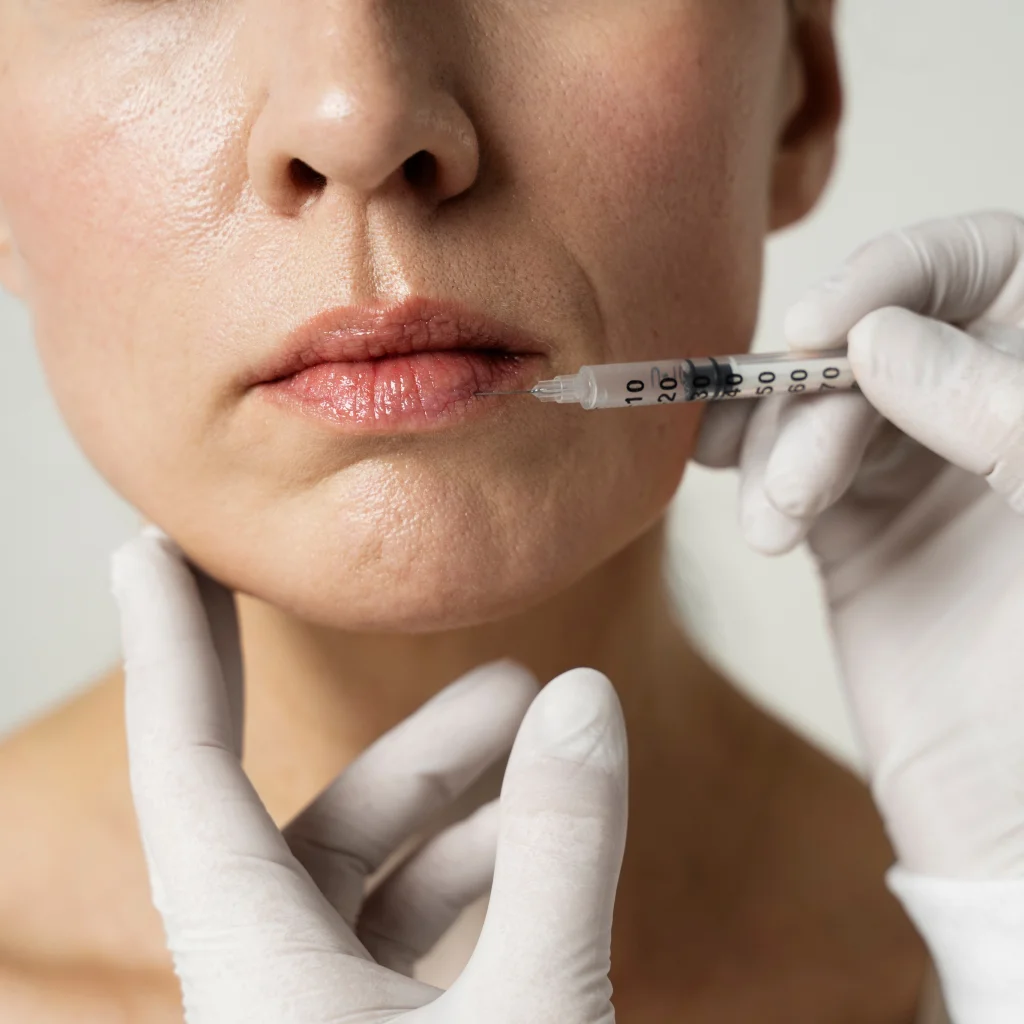
A small blood sample is spun in a centrifuge to concentrate the platelets, which are rich in growth factors. This plasma is then injected into the thinning areas of the scalp, where the growth factors stimulate the follicles, improve their blood supply, and can strengthen and thicken existing hair. It’s a quick, minimally invasive session with essentially no downtime, usually repeated in a course and then maintained periodically.
Who PRP suits — and who it doesn’t
PRP is most useful for people with early-to-moderate thinning who still have living follicles to work with. It can strengthen weakening hair, slow the pace of loss, and support other treatments. What it cannot do is create hair where the follicles are already gone — a fully bald area will not respond, and for that a hair transplant is the answer. An honest assessment will tell you which stage you’re at; see the candidacy factors.
PRP alongside other treatments
PRP is often most powerful as part of a plan rather than on its own. It pairs well with hair-loss medications for early loss, and it’s frequently used with a hair transplant to support the transplanted and surrounding hair. Thinking of it as one tool in a strategy — not a standalone cure — sets the right expectations.
Dr. Sherif Hegazy’s take: “PRP is excellent at protecting the hair you still have — it’s a maintenance and strengthening tool, not a regrowth miracle. Used at the right stage, it earns its place; used as a substitute for a transplant on a bald scalp, it disappoints.”
Frequently asked questions
Does PRP regrow hair?
It strengthens and thickens existing hair and slows thinning, but it does not create hair on a fully bald area — that needs a transplant.
Is PRP painful or does it have downtime?
It’s minimally invasive with essentially no downtime; discomfort is minor and brief.
How many sessions do I need?
Usually a short initial course followed by periodic maintenance — your doctor tailors this to your case.
Who is PRP best for?
People with early-to-moderate thinning who still have living follicles, and as support alongside medication or a transplant.
Find out if PRP suits your stage
Book an assessment with Dr. Sherif Hegazy or explore the hair service.
This article is general information, not individual medical advice. Individual results vary.