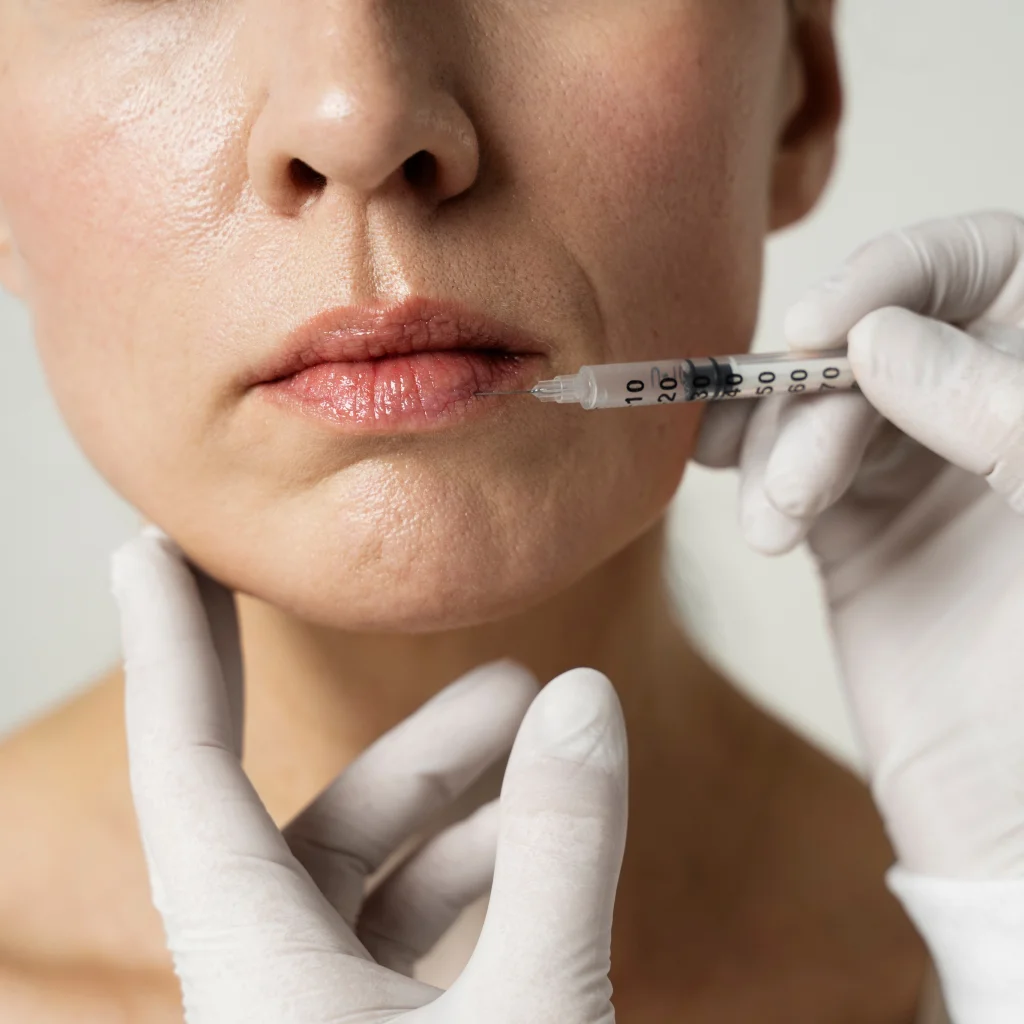
An eyebrow transplant can have side effects worth knowing before you decide. Here are the possible risks and, more importantly, the instructions that avoid them and protect your result. What is an eyebrow transplant? An eyebrow transplant moves follicles from the scalp to the brow, chosen carefully to match natural brow colour and thickness. The …
An eyebrow transplant can have side effects worth knowing before you decide. Here are the possible risks and, more importantly, the instructions that avoid them and protect your result.
What is an eyebrow transplant?
An eyebrow transplant moves follicles from the scalp to the brow, chosen carefully to match natural brow colour and thickness. The surgeon creates fine channels and places around 350 grafts or more, depending on the desired shape. It suits men and women with sparse or patchy eyebrows.
Best technique, and can it fail?
FUE is the ideal technique for the precise, detailed work eyebrows require — follicles harvested individually and placed by hand or with implanter pens. With Dr. Sherif Hegazy, success exceeds 98%, and serious complications are rare. The transplanted hair shedding during recovery is normal — it regrows fuller.
Possible side effects
Swelling around the brows or donor area for a few days.
Itching and redness in the first weeks.
Mild pain early on, eased by prescribed pain relief.
Small infection risk from anaesthetic or the transplanted area.
Uneven growth if done by a non-specialist.
Tiny scars at extraction and placement, fading over time.
Temporary numbness in the donor and brow area.
Pros and cons
Pros
Cons
Natural, dense growth from your own follicles; short recovery; covers scars; no daily make-up; boosts confidence
Can be costly; needs weeks of aftercare and discipline; a non-specialist may cause failure needing correction; temporary swelling/itching risk
How to protect the result
Don’t touch the scabs — they fall away with the recommended moisturiser.
Avoid sun until fully recovered.
No smoking or alcohol (they slow healing).
Keep brows away from water and make-up early on.
Take prescribed medication on time; avoid strenuous exercise for the first three days.
Recovery, results and timing
Recovery takes about a week to return to normal activity (strict care in the first three days). New growth appears at around three months — you’ll trim the brows as they keep growing — and the final result completes at about six months. The procedure takes 2–5 hours and is comfortable under local anaesthetic (not painful).
Dr. Sherif Hegazy’s take: “Almost every ‘eyebrow transplant risk’ traces back to the wrong hands — uneven growth, bad angles, poor design. In experienced hands the risks are minor and temporary; the brow is millimetre work, so who does it matters more than anything.”
Frequently asked questions
How much does an eyebrow transplant cost?
Commonly cited ranges are about $2,000–$2,200 in Egypt and up to $5,000 in the Gulf, varying by technique and graft count — confirm your exact figure in consultation.
Is it painful?
No — local anaesthetic on the donor and brow areas means you feel no pain during the procedure.
Is an eyebrow transplant permissible in Islam?
Egypt’s Dar al-Iftaa has ruled it permissible for women — especially with sparse brows or scars to cover — provided the follicles are taken from the patient’s own body.
The bottom line
Eyebrow transplant risks are mostly minor and avoidable with a qualified surgeon and good aftercare. For a safe, natural result, contact Dr. Sherif Hegazy or explore the eyebrow transplant service.
Disclaimer: This article is for general education and does not replace a medical consultation. Suitability and results vary by individual.
Easily book your medical consultation and discover the right procedure for you.
Take the first step toward the change you deserve—book an appointment with us or schedule an online consultation now, and begin your journey with confidence and complete peace of mind.