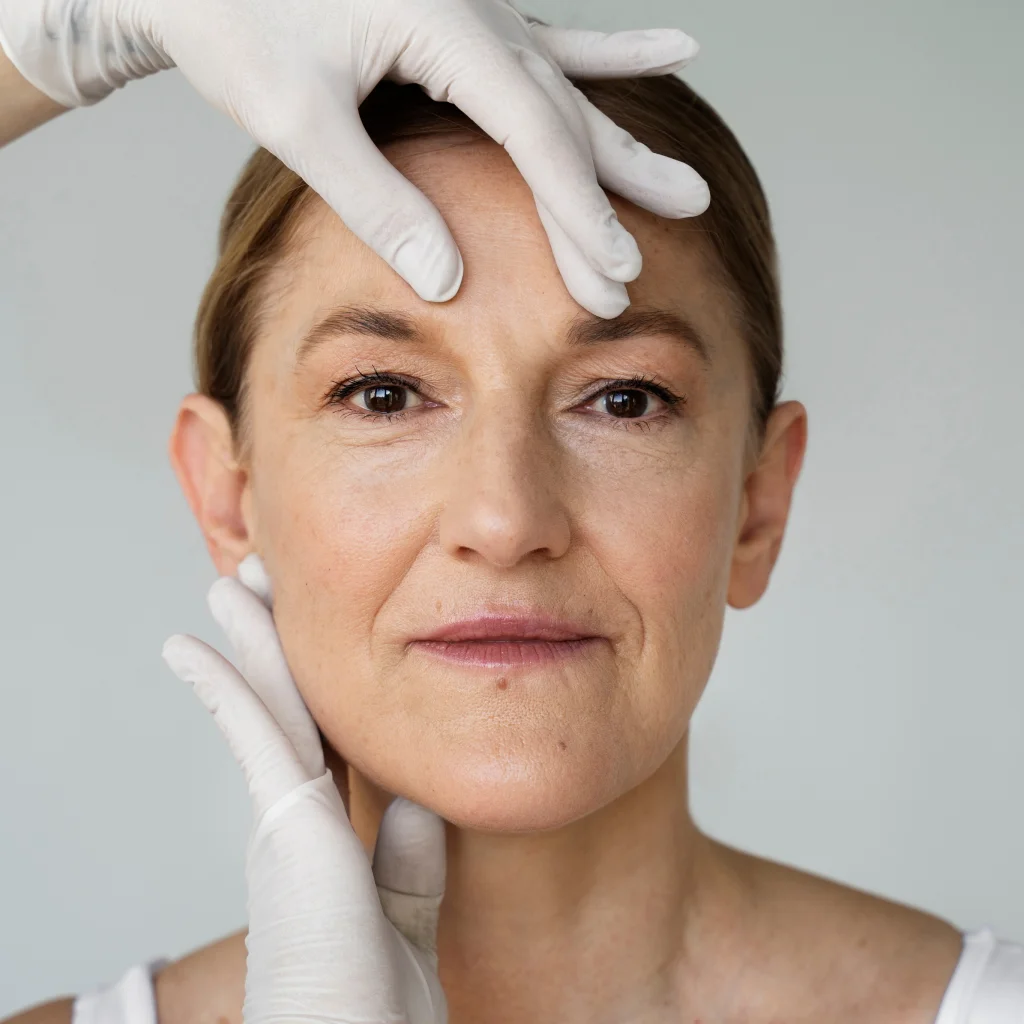

Dermal fillers restore volume and smooth lines for a fresher, younger look — from lips and cheeks to under-eye hollows. Here are the types, where they’re used, how they differ from Botox, and the risks to know.
What are dermal fillers?
Injectable gels placed under the skin to fill the hollows left by wrinkles and ageing, restoring volume and a youthful contour.
Types of filler
- Hyaluronic acid: the most common — natural-feeling, reversible, and used across the face.
- Calcium hydroxylapatite: thicker, for deeper folds and contouring.
- Autologous fat: your own fat, for a natural, longer-lasting result.
- Other biostimulatory materials that encourage collagen over time.
Botox vs fillers
They do different jobs: Botox relaxes the muscles that cause dynamic wrinkles (forehead, frown lines), while fillers add volume to static lines and hollow areas. They’re often combined.
Where fillers are used
- Under the eyes (tear troughs).
- Lips.
- Cheeks and cheekbones.
- Nose (non-surgical reshaping).
- Nasolabial folds and a thin face.
Risks
When done properly by a qualified injector, fillers are safe — but risks include swelling, bruising, lumps, asymmetry and, rarely, vascular complications. Choosing an experienced doctor and approved products is what keeps them low.
Fillers explained — with Dr. Sherif Hegazy
Considering fillers? Book a consultation with Dr. Sherif Hegazy for a natural, safe result.