Endolift Recovery and Aftercare: What the First Weeks Really Look Like
The single most attractive thing about Endolift, for most of the people who ask about it, is not the science — it is the sentence "you can go back to work". A treatment that tightens skin without a scalpel, general anaesthetic or weeks of hiding indoors is exactly what someone with a job and a …
The single most attractive thing about Endolift, for most of the people who ask about it, is not the science — it is the sentence “you can go back to work”. A treatment that tightens skin without a scalpel, general anaesthetic or weeks of hiding indoors is exactly what someone with a job and a family is looking for. But “minimal downtime” is not the same as “no downtime”, and knowing precisely what the days afterwards involve is the difference between a calm recovery and a fortnight of quiet panic. This chapter completes our guide to how Endolift works by walking through everything that happens after you leave the clinic.
The short answer
Recovery from Endolift is short but not invisible. Expect mild swelling, tenderness and sometimes small bruises at the entry points for the first few days, with most people back to normal activity within a day or two and back to public-facing life within about a week. Heat, strenuous exercise and sun are the main things to avoid early on. The tightening itself appears gradually over the following weeks rather than immediately.
What the day itself is like
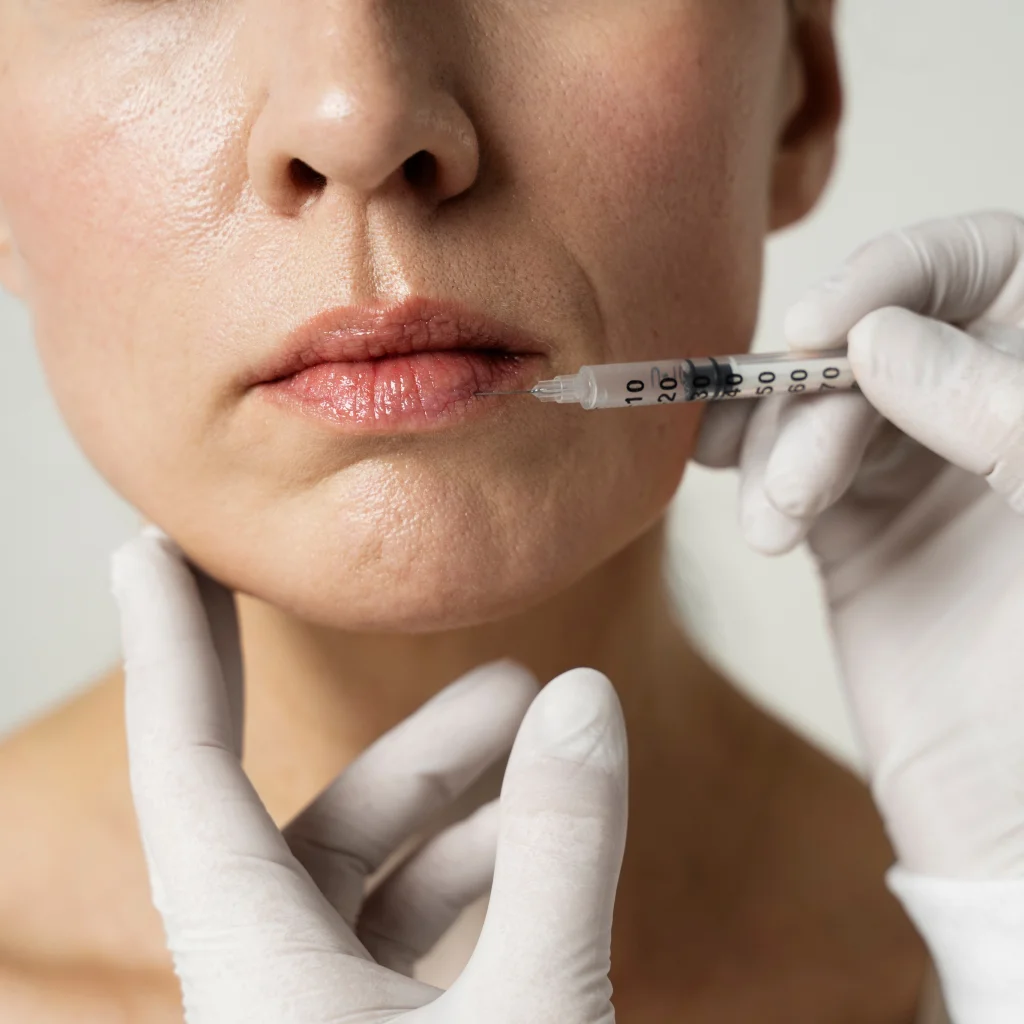
Endolift is performed under local anaesthetic, through entry points so small they do not require stitches, with a fine optical fibre delivering laser energy into the deep layers of the skin and the fat immediately beneath it. Patients typically describe a sensation of warmth and movement rather than pain, and the treatment itself is usually a matter of under an hour depending on the areas being treated. You walk out the same day, and you are able to drive yourself home unless you were given sedation.
What most people are not prepared for is how they look in the mirror that evening. The treated area is often slightly swollen and can feel firm, warm or numb in patches. That is the expected tissue response to energy delivered under the skin, not a complication — but it is worth knowing before you check your reflection at ten o’clock at night and start searching the internet.
The first forty-eight hours
Swelling generally peaks in the first day or two and is the main visible sign that you have had anything done. Mild bruising can appear where the fibre entered, particularly under the chin and along the jawline where the skin is thin. Tenderness to touch is normal, as is a tight or slightly “full” sensation in the treated area.
The practical advice for this period is straightforward: sleep with your head elevated on an extra pillow to help the swelling drain, keep the area clean and dry as instructed, avoid heat of any kind, and take only the pain relief your clinic has approved. If a cold compress has been recommended for you, use it exactly as directed — cooling helps some patients and is not advised for everyone, which is why this is a clinic instruction rather than a general rule.
Days three to seven
By the third day the swelling is usually declining and any bruising begins to change colour and fade. This is the week when most people go back to work; if you are in a public-facing role and had a visible area treated, giving yourself a few days is sensible rather than essential. Some patients notice small areas of firmness or irregularity under the skin as the tissue responds and begins remodelling. This is common in the early weeks and settles on its own — the temptation to press, massage or otherwise interrogate the area is best resisted unless your doctor has specifically recommended massage.
When
What to expect
What to do
Day 0–2
Swelling, tenderness, possible small bruises, patchy numbness
Swelling declining, bruising fading, possible firmness
Back to normal routine; gentle skincare; no saunas or intense exercise
Week 2–4
Most visible signs gone; texture still settling
Daily sunscreen; resume exercise as advised
Week 6–12
Tightening becomes visible as collagen remodels
Assess the result; discuss any touch-up at review
Month 3–6
Final result; gradual continued improvement
Maintain with skincare and sun protection
What to avoid, and for how long
The restrictions after Endolift are mostly about heat and pressure, and they are short-lived. Saunas, steam rooms, very hot showers and hot yoga are off the list in the first days to a couple of weeks, because heat increases swelling in tissue that is already inflamed. Strenuous exercise falls into the same category for the first few days, both for the heat it generates and for the blood pressure it raises. Direct sun on a treated face is worth avoiding in the early phase and worth managing with sunscreen permanently, because ultraviolet exposure is one of the main things that undoes the result you have just paid for.
Facial massage, aggressive skincare actives, and other in-clinic treatments in the same area should wait until your doctor clears them — the tissue is remodelling and does not need to be provoked. Alcohol is best minimised in the first days, since it worsens swelling. And if you smoke, the same circulation argument that applies to every procedure applies here: it does not help tissue that is healing.
When the result actually appears
This is where expectations most often go wrong. Endolift produces a small immediate effect from tissue contraction on the day, and then the swelling temporarily masks or exaggerates it, so the first two weeks tell you very little. The real result comes from the collagen your own body lays down in response to the treatment, and that takes time: most people begin to see genuine tightening from around six weeks, with the effect continuing to develop over three to six months.
Judging the outcome at two weeks is the commonest mistake patients make, and it produces both unnecessary disappointment and unnecessary top-up treatments. The correct point to assess it is at the review your clinic schedules, with photographs from the same angles taken before you started. Our comparison of Endolift and HIFU covers why both of these collagen-based treatments work on this slower timescale.
Normal versus not normal
Almost everything in the first week is normal: swelling, tenderness, bruising, patchy numbness, a firm or lumpy feel, and mild asymmetry as one side settles faster than the other. What deserves a phone call is pain that increases rather than decreases after the first couple of days, spreading redness or heat in the skin, any discharge from an entry point, fever, or a marked and persistent asymmetry once the swelling has gone. These are uncommon, but the point of knowing the list is that you contact the clinic early rather than waiting a fortnight and hoping. We deal with the safety picture in full in our chapter on Endolift side effects and risks.
Making the result last
Endolift does not stop ageing; it improves the skin’s structure at a point in time, and everything that happens afterwards is still ageing. What extends the benefit is unremarkable and effective: consistent sun protection, a stable weight, not smoking, and a skincare routine you actually follow. Where a treated area was part of a broader concern — jawline definition, a heavy neck, general laxity — a plan across more than one modality often outperforms repeating a single treatment, which is the theme of our guides to non-surgical facelift options and the best anti-ageing treatments for the face. If your treatment focused on the lower face, our chapter on Endolift for a double chin covers what that specific area responds to.
What you do before the appointment shapes the recovery
A smooth week afterwards starts before you arrive. Your clinic will ask what you take, and the answer matters: anything that thins the blood — including some over-the-counter painkillers, fish oil and several common supplements — increases the chance of bruising, and whether to pause them is a decision for the doctor who knows your medical history, not something to change on your own. Tell them about any regular medication, previous facial procedures, a history of cold sores, and whether you are pregnant or breastfeeding, since these change what is appropriate and when.
The practical preparation is simpler. Skip alcohol the night before, since it worsens swelling and bruising. Arrive with clean skin and no make-up on the area being treated. Eat normally beforehand. And look at the calendar honestly: if you have a wedding, a presentation or a photographed occasion within two weeks, move the treatment rather than the expectations. Almost every patient who feels rushed by their recovery booked it too close to something that mattered.
Dr. Sherif Hegazy’s take: “The recovery from Endolift is easy; the patience is the hard part. Everyone wants to look at week two and know whether it worked, and week two is exactly when the swelling is telling you nothing useful. I take photographs before we start for a reason — at three months, memory is an unreliable witness and the camera is not.”
Frequently asked questions
How long is the downtime after Endolift?
Most people return to normal daily activity within a day or two. Visible swelling and any bruising usually settle within about a week, which is the period most patients plan around if they have something public coming up.
Does Endolift hurt afterwards?
Usually it is tenderness rather than pain — a sore, tight or slightly numb feeling in the treated area for a few days. Pain that increases after the first couple of days is not expected and should be reported to your clinic.
When will I see the tightening?
A small immediate effect is often visible, but the meaningful result develops as collagen remodels — generally from around six weeks, continuing over three to six months. Assessing it at two weeks is too early.
When can I exercise or use a sauna again?
Strenuous exercise is usually paused for the first few days and heat exposure such as saunas and steam rooms for longer. Follow the specific timings your clinic gives you, as they depend on the area treated and how you are healing.
Ask before you book, not after
Understanding the recovery is part of deciding whether the treatment suits your schedule and your skin. Get in touch with Dr. Sherif Hegazy’s clinic to discuss whether Endolift is right for you.
This article is general information, not individual medical advice. Follow the specific aftercare instructions given to you by your own doctor.
Easily book your medical consultation and discover the right procedure for you.
Take the first step toward the change you deserve—book an appointment with us or schedule an online consultation now, and begin your journey with confidence and complete peace of mind.