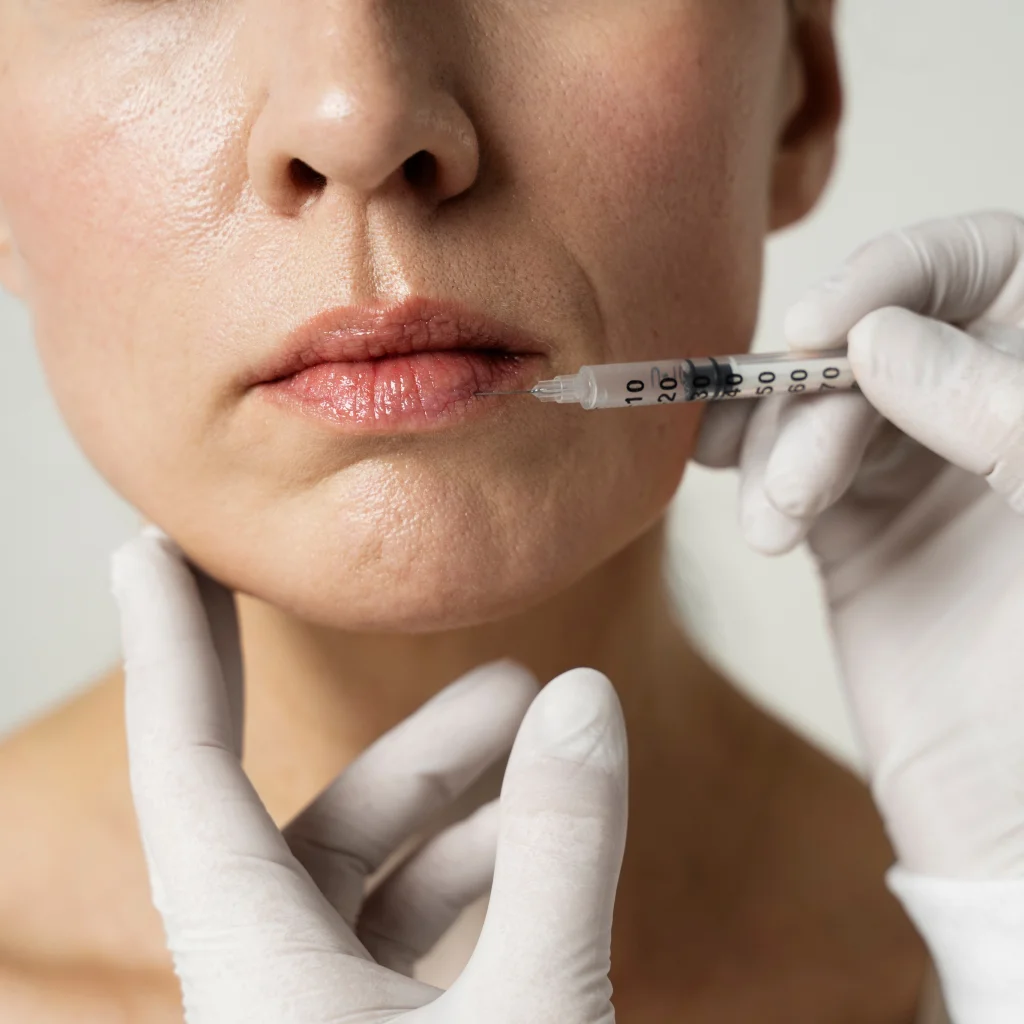
Endolift for the Jawline and Lower Face: What It Can Define
Nobody used to think much about their jawline. Then came the front-facing camera, the video call held at chin level, and a decade of photographs taken from below, and suddenly the line between the face and the neck became the feature people notice first in their own pictures. It is also one of the harder …
Nobody used to think much about their jawline. Then came the front-facing camera, the video call held at chin level, and a decade of photographs taken from below, and suddenly the line between the face and the neck became the feature people notice first in their own pictures. It is also one of the harder areas to improve, because a blurred jawline is rarely one problem — it is usually three, layered on top of each other. This chapter completes our guide to Endolift for a double chin by moving up to the jawline and lower face, which behave differently and need a different plan.
The short answer
Endolift can sharpen a jawline that has lost definition to mild or moderate laxity and small pockets of fat, by tightening the skin from underneath and stimulating collagen along the jaw and upper neck. It defines an existing jawline rather than creating a new one, and it will not lift established, heavy jowls or remove significant excess skin. The best results are in people who still have reasonable skin quality and a stable weight.
Why a jawline loses its definition
A crisp jawline depends on three things staying where they were, and all three change with time. The first is skin: collagen and elastin decline, the skin loses its recoil, and what was taut begins to drape. The second is fat: the facial fat pads that sit high in the cheek descend, gathering along the jawline as jowls, while separate fat can accumulate under the chin. The third is the structure underneath — bone remodels subtly with age and the ligaments that tether soft tissue to it slacken, so the whole framework the skin hangs on loses tension.
That is why a single treatment aimed at only one layer often disappoints. Weight fluctuation accelerates all of it, and genetics decide a great deal — some people simply have a shorter chin, a more obtuse angle between the jaw and neck, or fat that sits low, and that is anatomy rather than ageing. An honest assessment starts by working out which of the three layers is doing the most damage in your particular face, because that determines whether Endolift is the right tool at all.
What Endolift does to the lower face
Endolift works underneath the skin rather than through it: a very fine optical fibre is passed into the deep dermis and the fat layer immediately below, delivering laser energy that causes immediate tissue contraction and then a longer process of collagen remodelling. In the lower face, that translates into three effects that happen together — a tightening of lax skin along the jaw, a reduction in small localised fat deposits, and a gradual firming as new collagen is laid down over the following weeks. The mechanism is set out in more detail in our guide to how Endolift works.
The important word is definition. Endolift does not add volume, and it does not reposition a face surgically. What it can do is make the border between the face and the neck read as a line again, which is precisely the thing that photographs, video calls and the mirror all pick up on.
The jawline and the double chin are two different jobs
Patients often use the two interchangeably, but they are separate problems with separate solutions. A double chin is largely a volume issue in the submental area beneath the chin — fat that sits in a pocket and blunts the angle between the chin and the neck. A blurred jawline is a line issue: laxity and jowling along the mandible itself, which softens the boundary between face and neck even in someone with very little submental fat. Some people have one, some have both, and treating only one when both are present produces a result that looks half-finished.
Concern
What Endolift can do
What it will not do
Softening along the jaw
Tighten skin and restore definition to the line
Create a jaw that was never structurally there
Early jowls
Firm and improve mild jowling
Lift heavy, established jowls
Small submental fat pocket
Reduce localised fat and tighten above it
Replace liposuction for a large fat pad
Loose skin under the chin
Improve mild to moderate laxity
Remove significant excess skin
Overall lower-face laxity
Deliver a subtle, gradual firming
Match the result of a facelift
Jowls: where the honest limits are
Jowling is the point at which candour matters most. Early jowls — a softening at the corners of the jaw that you notice in certain photographs — often respond well, because the problem is still mostly laxity and the skin has enough quality left to contract. Established jowls, where the tissue has genuinely descended and there is visible excess skin, are a different proposition: no energy-based device removes skin, and pushing the dose higher does not change that. Someone in that position is better served by hearing it than by paying for a treatment that will underdeliver, and the alternatives are set out in our guide to the methods available for facial sagging.
Who gets the best jawline results
The ideal candidate is usually someone in their thirties to fifties with mild to moderate laxity, reasonable skin quality, a stable weight, and a specific complaint — “my jaw used to be sharper”, rather than “I want to look twenty”. Skin that still has some elasticity contracts better; skin that has lost most of it has less to work with. A stable weight matters because significant weight change afterwards will undo the definition you have gained, and because treating a face that is mid-transformation makes the result impossible to judge.
Goals differ, too. Men who ask about the jawline are usually looking for angularity and a defined border along the mandible. Women more often describe wanting the contour restored and the neck to look cleaner, without losing the softness of the lower face — over-treating a slim female face can read as gaunt rather than refined, which is a judgement call about how much fat to touch and where, not a setting on the machine.
Sessions, timing and how long it lasts
Endolift is typically planned as a single treatment for a given area, with the result assessed at review and a second treatment considered only if the response warrants it. What you should not expect is an immediate transformation: the visible tightening develops over roughly six weeks to three months as collagen remodels, with the final picture at three to six months, as described in our recovery and aftercare guide. Because the result depends on your own collagen, it also fades on your own timescale — ageing continues, so the benefit is measured in a good number of months to a couple of years rather than permanence, and maintenance is a conversation for the review rather than a fixed schedule.
If you are weighing it against a fully non-invasive option, our comparison of Endolift and HIFU covers where each performs better on the lower face, and the risk side of the decision is set out in our chapter on Endolift side effects and safety.
Why the lower face is usually a combination, not a single treatment
Because a blurred jawline is layered — skin, fat and the structure underneath — the plans that work best often address more than one layer. Endolift handles laxity and small fat deposits. Where the underlying framework is the limiting factor, structural support along the chin or jaw can change the geometry that the skin drapes over, which is a separate decision with its own trade-offs, set out in our guide to dermal fillers, their uses and risks. Where muscle activity in the neck is pulling the contour downwards, that is a third and different problem again.
What matters is sequencing rather than stacking. Doing everything in one visit feels efficient and usually is not: it makes it impossible to know which element produced which part of the result, and it treats a face through swelling. The more useful approach is to start with the layer contributing most, assess it properly at three months when the collagen response has matured, and add the next step only if the first has not achieved the goal. Patients who work through a lower face in that order tend to spend less overall and are far more likely to recognise themselves at the end of it.
Dr. Sherif Hegazy’s take: “A jawline is a line, not a volume, and that changes how I treat it. I am not trying to shrink the lower face — I am trying to make the border between the face and the neck legible again. Half the skill is knowing where to stop, because an over-treated jawline reads as hollow, and hollow does not look young.”
Frequently asked questions
Can Endolift define the jawline?
Yes, where the loss of definition is due to mild or moderate skin laxity and small fat deposits. It tightens from underneath and stimulates collagen along the jaw, restoring the line rather than creating a new bone structure.
Does Endolift work on jowls?
It improves early jowling, where the issue is still mostly laxity. Heavy, established jowls with genuine excess skin need a surgical solution, because no energy device removes skin.
Is Endolift for the jawline the same as for a double chin?
No. A double chin is mainly a fat problem under the chin; a blurred jawline is a laxity and jowling problem along the jaw itself. Many people have both, and the plan should address whichever layers are actually involved.
How long do jawline results last?
The tightening develops over about three months and typically holds for a good number of months to a couple of years, depending on your skin, your age and your weight. Ageing continues, so results are maintained rather than permanent.
Find out what your jawline actually needs
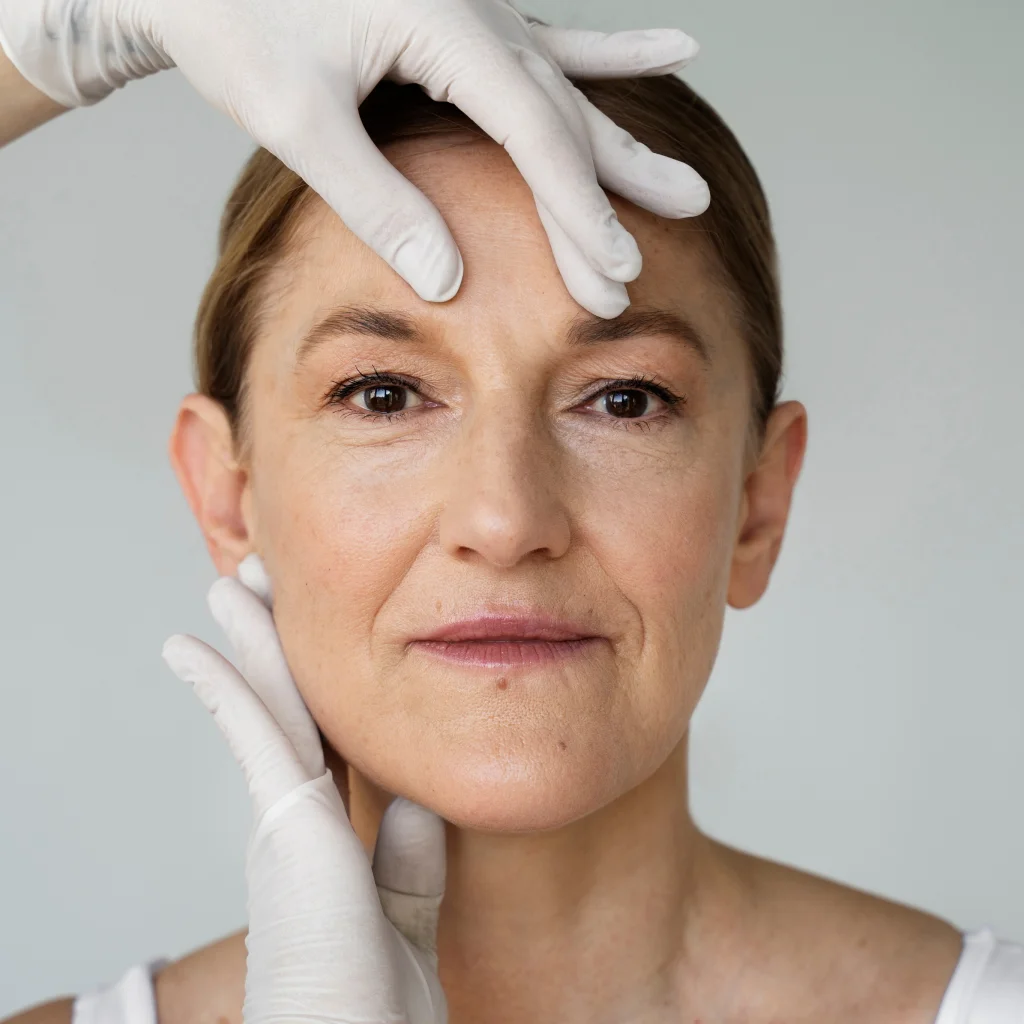
Whether the issue is skin, fat or structure decides the treatment — and that takes an examination, not a photograph. Get in touch with Dr. Sherif Hegazy’s clinic to discuss the lower face.
This article is general information, not individual medical advice. Suitability and results vary — your own case should be assessed in person.
Easily book your medical consultation and discover the right procedure for you.
Take the first step toward the change you deserve—book an appointment with us or schedule an online consultation now, and begin your journey with confidence and complete peace of mind.