Skin Boosters and Mesotherapy: What They Do and What They Don’t
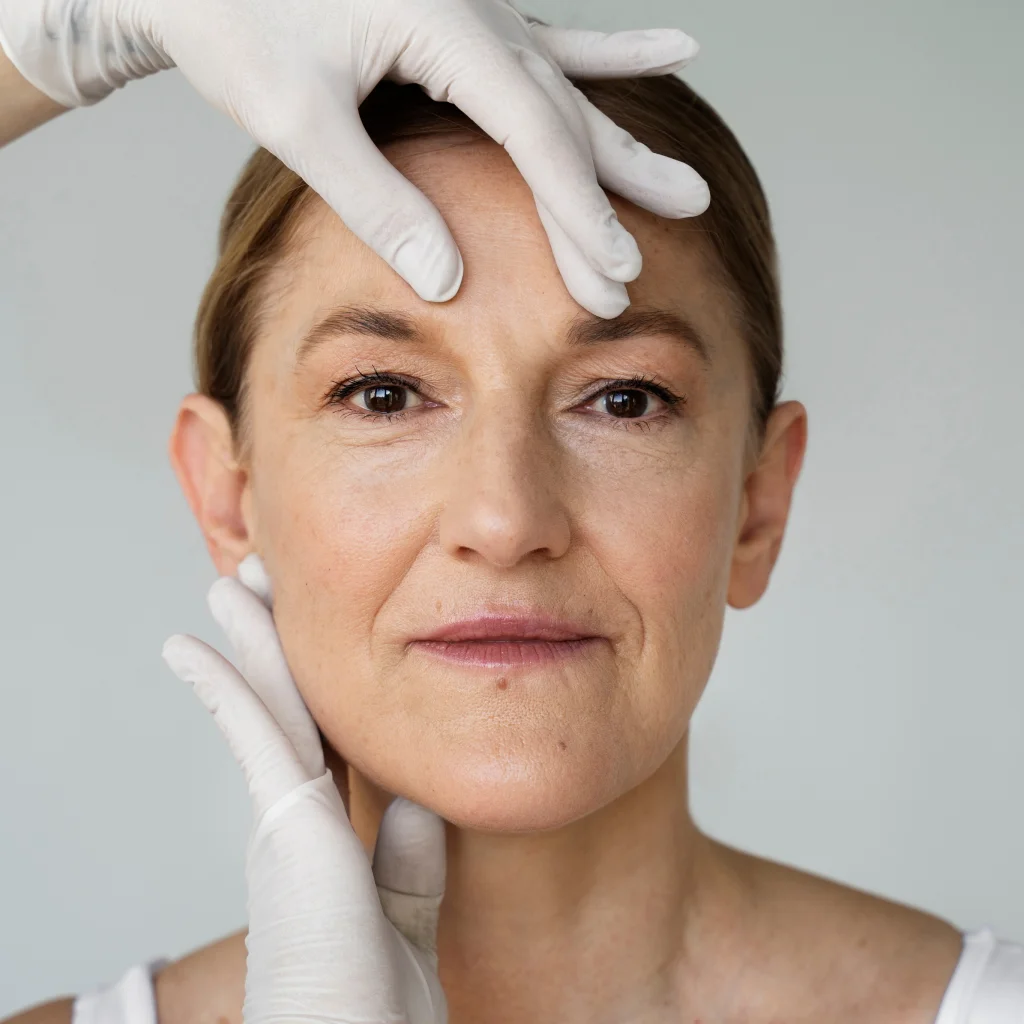
There is a stage of ageing that arrives before anything sags. Nothing has dropped, no line is deep enough to point at, and yet the skin has lost something — it looks flat in photographs, feels drier than it used to, and has a fine crepe texture in the light that was not there five …
There is a stage of ageing that arrives before anything sags. Nothing has dropped, no line is deep enough to point at, and yet the skin has lost something — it looks flat in photographs, feels drier than it used to, and has a fine crepe texture in the light that was not there five years ago. Skin boosters and mesotherapy are aimed squarely at that stage, and they are also among the most confusingly marketed treatments in aesthetics, sold under a dozen brand names that reveal nothing about what is actually in the syringe. This chapter completes our guide to anti-ageing treatments for the face by explaining what these injections do and, just as usefully, what they do not.
The short answer
Skin boosters are injectable hydration: hyaluronic acid delivered in small amounts across the skin to improve moisture, elasticity and texture rather than to add shape. Mesotherapy is a technique of micro-injecting a cocktail — typically hyaluronic acid with vitamins, antioxidants and amino acids — into the superficial skin for the same broad purpose. Both improve skin quality and glow. Neither lifts, fills a hollow or replaces a filler, and both work as a course rather than a single appointment.
What a skin booster actually is
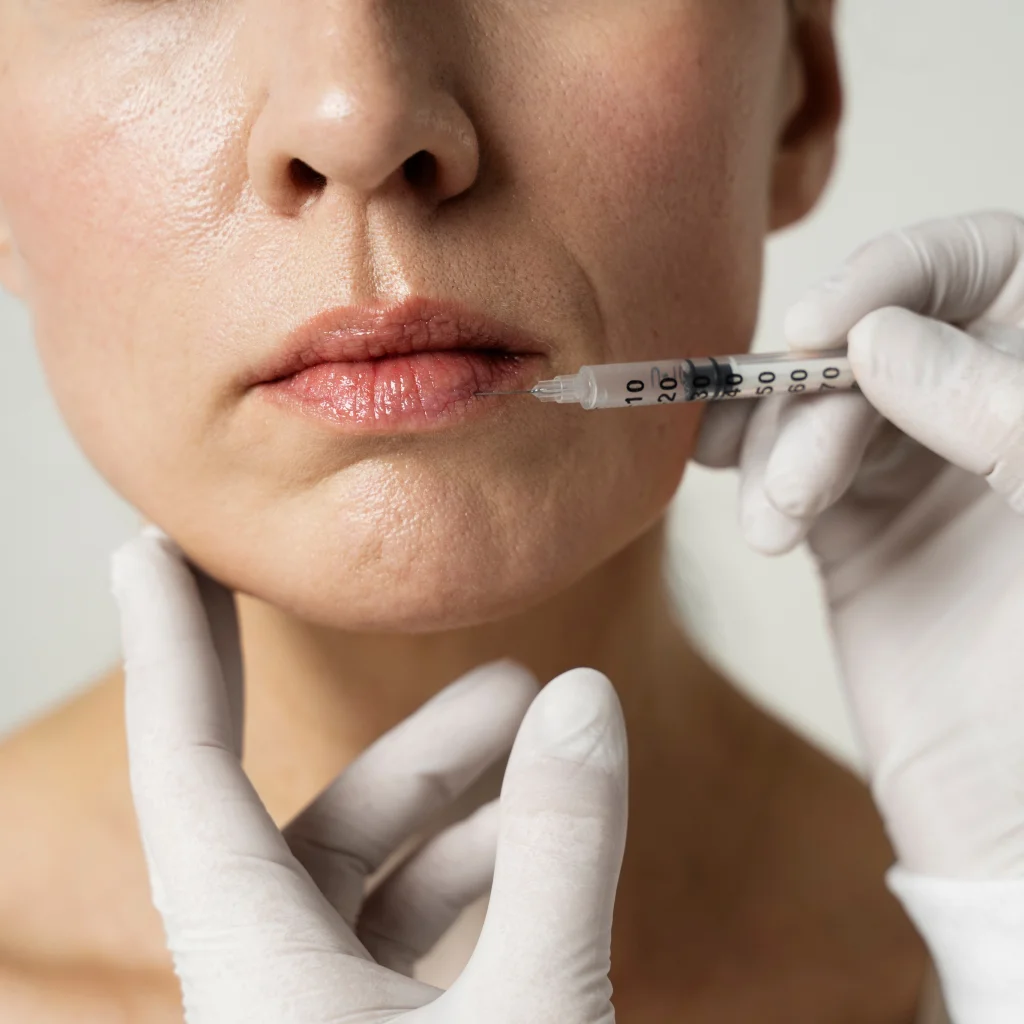
A skin booster is a hyaluronic acid product formulated to spread and hydrate rather than to hold a shape. Standard dermal fillers are cross-linked so they stay where they are put and support tissue; booster products are non-cross-linked or only lightly cross-linked, so they disperse within the dermis, draw in water, and improve the skin from the inside out. They are placed in small deposits across an area — cheeks, neck, décolletage, the backs of the hands — rather than injected in one site to create projection.
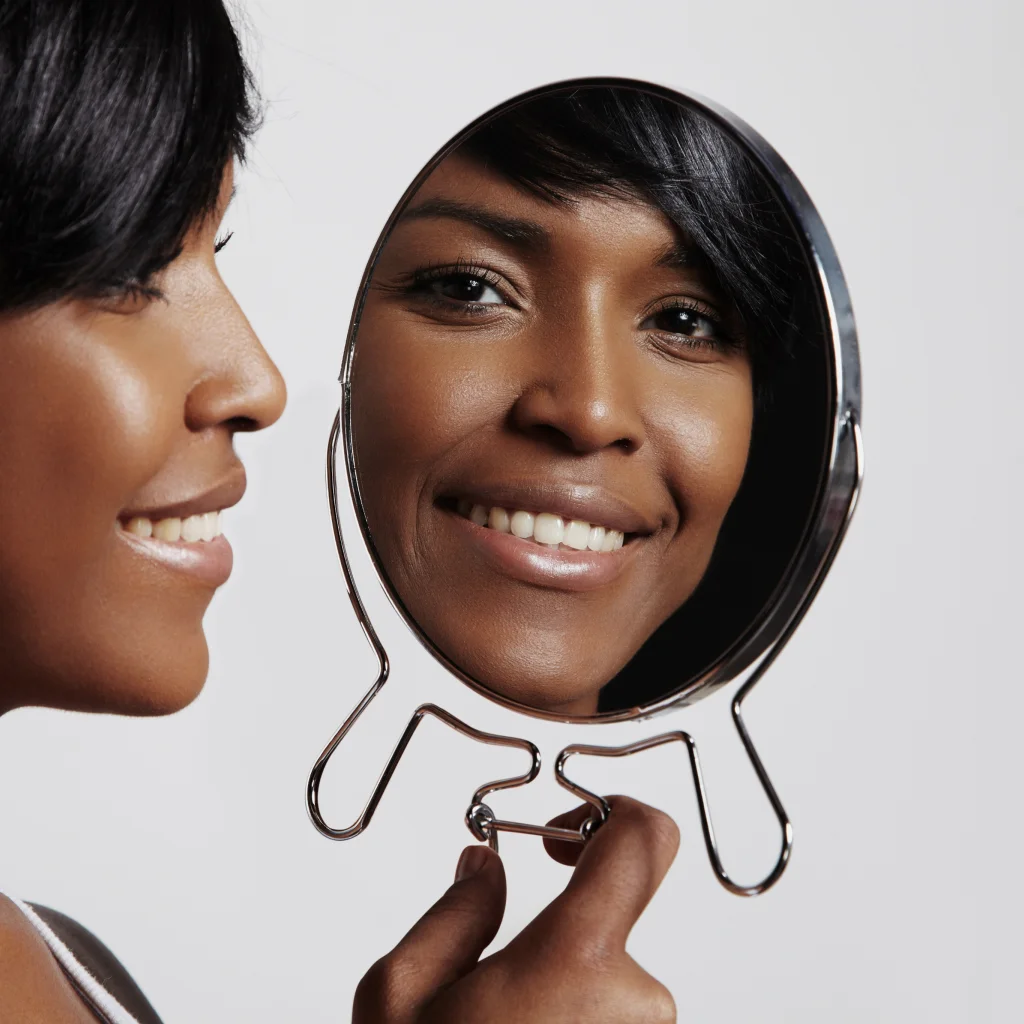
The effect is on skin quality: hydration first, then, over a course of treatments, improvements in elasticity and fine surface texture as the skin’s own environment improves and some collagen stimulation occurs. What you notice in the mirror is usually described as the skin looking “well” — better light reflection, less papery texture, makeup sitting differently. It is a subtle, cumulative change rather than a dramatic one, and anyone promising you a transformation from a booster is describing a different treatment.
And what mesotherapy is
Mesotherapy is best understood as a delivery technique rather than a single product: a series of very superficial micro-injections placing small volumes of a solution into the skin. What is in that solution varies enormously — hyaluronic acid, vitamins, antioxidants, amino acids, minerals, and in some clinics proprietary blends whose composition is not clearly stated. That variability is the honest heart of the matter. Where the formulation is a well-characterised hyaluronic acid product used for skin hydration, you are essentially in skin-booster territory with a different needle pattern. Where it is an unspecified vitamin cocktail, the evidence base is much weaker and the appropriate scepticism is much higher.
The practical advice follows from that: ask what is being injected, by name, and what evidence supports it for the result you want. A clinic that can answer that is a clinic worth using. A treatment marketed only by a trademark, with no stated ingredients, is asking for trust it has not earned.
The distinction that clears up the confusion
Most of the muddle in this category disappears once you separate what each injectable is for.
What it does
What it is for
Dermal filler
Holds volume and creates structure
Hollows, contour, projection, deep folds
Skin booster
Hydrates the skin and improves elasticity and texture
Dull, dry, crepey or thin skin with no volume loss
Mesotherapy
Delivers a solution superficially across an area
Skin conditioning; content and evidence vary by formulation
Collagen-based devices
Stimulate the skin’s own collagen remodelling
Laxity and firmness rather than hydration
Put simply: filler changes shape, boosters change quality, and energy-based treatments change firmness. They answer different complaints, which is why the useful question at a consultation is not “should I have skin boosters?” but “what is actually wrong with my skin?” Our guides to dermal fillers and their risks and to how collagen-stimulating treatments work cover the other two categories.
What they realistically achieve
Used properly and over a course, skin boosters reliably improve hydration and the look of the skin surface, soften very fine crepey lines, and can make thin or sun-damaged skin look healthier. They are particularly useful in areas where filler is the wrong tool entirely — the neck, the décolletage and the backs of the hands, where the problem is skin quality rather than volume, and where over-filling looks obviously wrong.
What they will not do is equally definite. They do not lift; a jawline that has softened will not be sharpened by hydration. They do not fill a hollow — the tear trough problem described in our chapter on under-eye hollows and dark circles is a volume problem, not a moisture one. They do not erase established wrinkles caused by muscle movement or deep folds caused by structural descent. And they do not replace sun protection: injecting hydration into skin that is being photodamaged every afternoon is filling a bath with the plug out.
Who gets the most from them
The people who are happiest with skin boosters tend to be in their thirties to fifties with skin that has become dull, dry or finely textured but has not yet lost significant support. They also suit people whose skin has taken environmental punishment — sun, air conditioning, dry heat and smoking all degrade skin quality, and in a climate like Egypt’s the combination of strong ultraviolet exposure and constant air conditioning is a genuine factor rather than a marketing line. Patients preparing for an event several weeks away are another common group, because the improvement is gradual and photographs well.
They are less useful for someone whose main complaint is sagging, whose face has lost volume, or who expects one appointment to produce a visible change. In those cases the right advice is a different treatment or a combined plan, which is the theme of our guide to non-surgical facelift options.
The protocol, the downtime and the honest limits
These treatments are a course, not an event. A typical plan is an initial series of sessions spaced a few weeks apart, followed by maintenance at intervals, with the improvement building across the course rather than appearing after the first visit. Anyone who books one session and judges the concept on it has not really tried it. Because the effect depends on a product that your body gradually metabolises and on skin that continues to age, the benefit is maintained rather than permanent.
Downtime is minimal but not zero: expect small raised bumps at the injection points for a few hours to a day, some redness, and the possibility of small bruises, particularly on the neck and around the eyes. Most people are presentable the next day, though it is sensible not to schedule this the afternoon before a wedding. As with any injectable, it is a medical procedure — sterile technique, a qualified injector, a named and appropriate product, and disclosure of your medical history and allergies all matter. Aggressive or poorly performed technique can cause pigmentation changes in richly pigmented skin, which is a relevant consideration for many patients here.
Where they fit in a longer-term skin plan
The mistake that wastes the most money in this category is treating skin boosters as a standalone answer instead of one component of skin health. Injected hydration works on skin that is otherwise being looked after; it does very little for skin that is sun-damaged every day, dehydrated from the inside, and never given a consistent topical routine. The order of value is unglamorous and rarely what anyone wants to hear: daily sun protection first, a routine you will actually follow second, and injectables third — as an accelerator on top of those, not a substitute for them.
Where boosters do earn their place is in a combined plan. Someone with laxity and dull skin gets more from a collagen-stimulating treatment for the firmness and boosters for the surface than from either alone. Someone with volume loss and thin skin needs structure restored first and quality treated afterwards, because hydrating skin that is draped over a hollow does not change the hollow. And the neck, décolletage and hands, which are almost always neglected while the face is treated, are the areas where a course of boosters most often produces the comment that something has changed without anyone being able to say what.
Dr. Sherif Hegazy’s take: “Skin boosters are one of the few treatments where the marketing oversells something that is genuinely useful. They will not lift your face and they will not fill anything — but for a patient whose skin has simply become dull and dry, a proper course does something no cream matches. My rule is straightforward: know what is in the syringe, and treat the right problem.”
Frequently asked questions
What is the difference between skin boosters and filler?
Filler is cross-linked to hold its shape and is used to restore volume and contour. Skin boosters are formulated to disperse and hydrate, improving the skin’s moisture, elasticity and texture without adding shape. They solve different problems.
Does mesotherapy actually work?
It depends entirely on what is being injected. Well-characterised hyaluronic acid preparations used for skin hydration have a reasonable rationale and behave much like skin boosters; unspecified vitamin cocktails have a much weaker evidence base. Always ask what the product is.
How many sessions do I need?
These treatments work as a course — an initial series spaced a few weeks apart, then maintenance. The improvement is cumulative, so judging the result after one session is judging it too early.
Can skin boosters tighten sagging skin?
No. They improve hydration and skin quality, not laxity. Sagging needs collagen-stimulating treatments or, where the descent is significant, surgery — hydration will not lift tissue that has dropped.
Treat the right layer of the problem
Dull skin, lost volume and true sagging are three different complaints with three different answers. Get in touch with Dr. Sherif Hegazy’s clinic for an assessment of which one you are actually dealing with.
This article is general information, not individual medical advice. Products, protocols and results vary — discuss your own case with a qualified doctor.
Easily book your medical consultation and discover the right procedure for you.
Take the first step toward the change you deserve—book an appointment with us or schedule an online consultation now, and begin your journey with confidence and complete peace of mind.