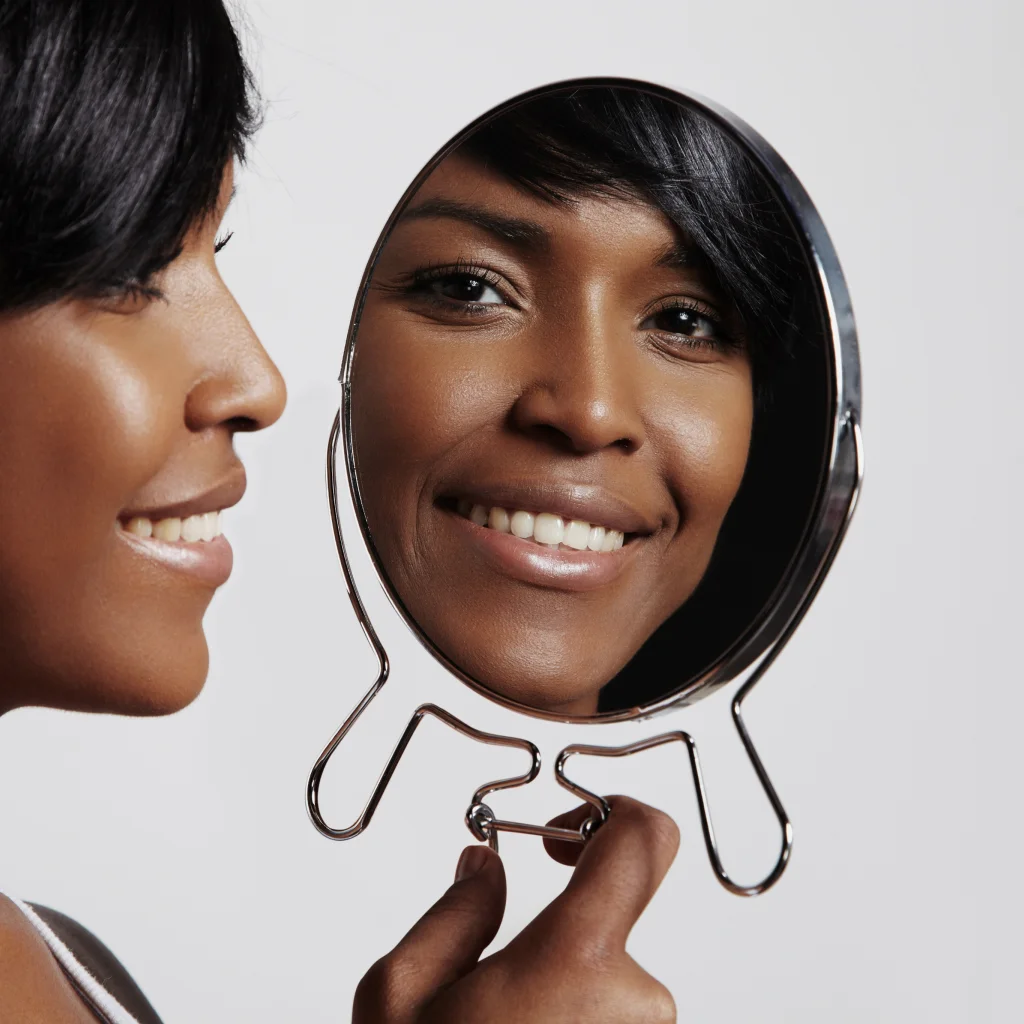
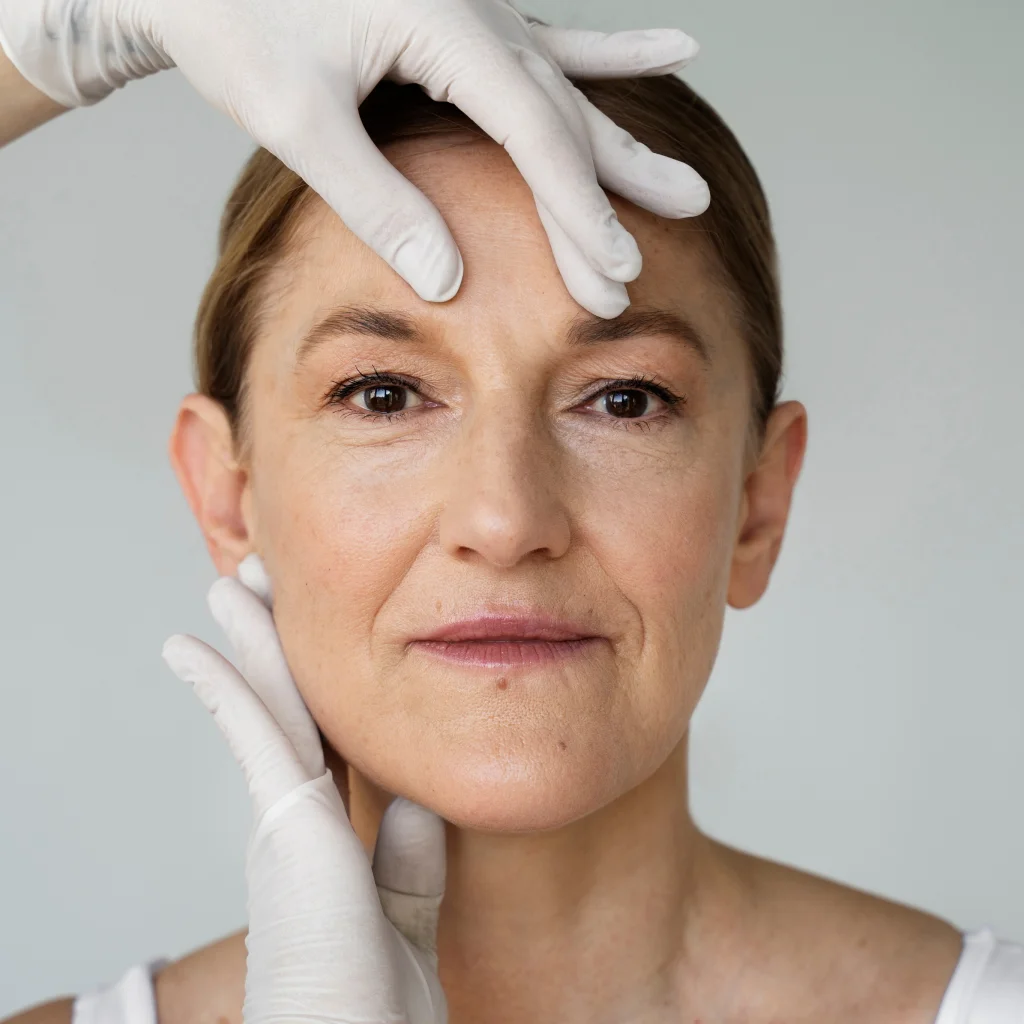
Eyebrows frame the entire face, so sparse, over-plucked or patchy brows are something many people feel far more than they’d expect. Makeup and microblading are temporary fixes; an eyebrow transplant is the permanent one, using your own hair to rebuild natural, lasting brows. It’s a delicate, artistic procedure — and that artistry is exactly what separates a beautiful result from an obvious one.
The short answer
An eyebrow transplant moves your own hair follicles (usually from the scalp) into the brows to restore shape and fullness permanently. Because brow hairs grow at very flat, precise angles and in specific directions, the result depends almost entirely on the surgeon’s artistry. Once healed, the hair is permanent and grows like normal brow hair — and needs occasional trimming.
Why people choose it
People come for an eyebrow transplant for several reasons: brows thinned by years of over-plucking, naturally sparse or patchy brows, gaps from scars or injury, or loss from a medical condition. Because the brows shape the whole face, even a modest restoration can noticeably soften and balance the features — which is why the goal is always natural, not dramatic.
How it works
Individual follicles are harvested (usually from the scalp) and placed one by one into the brow area. The entire skill of the procedure is in the angling and direction: brow hairs lie almost flat against the skin and point in different directions across the brow — up at the inner corner, flat along the middle, slightly down at the tail. Getting every follicle’s angle right is what makes the result look like real brows rather than transplanted scalp hair. The work is done under local anaesthetic in a single session.
Why artistry is everything here
More than almost any other transplant, eyebrows are unforgiving of poor technique — a wrong angle or an unnatural shape is immediately visible on the face. This is why the surgeon matters even more than usual: the design of the brow shape and the precise angling of each hair are pure judgement and skill. It’s the same principle as scalp work, only less forgiving — see choosing the right surgeon.
Results and aftercare
Recovery is quick and discreet — tiny scabs form and fall away within about a week. Like a scalp transplant, the transplanted brow hairs shed at two to three weeks (normal), then regrow from around month three, with the full result maturing over months. Because the hair comes from the scalp, it keeps growing and needs occasional trimming to keep the brow shape neat.
Dr. Sherif Hegazy’s take: “Eyebrows are won or lost on the angle of every single hair — they lie almost flat and change direction across the brow. The technique is the same as the scalp; the artistry is far less forgiving.”
Frequently asked questions
Is an eyebrow transplant permanent?
Yes — the follicles are taken from your own scalp and keep growing for life once established. They need occasional trimming.
Will it look natural?
With correct angling and shape design by an experienced surgeon, yes. Natural direction is the whole skill of the procedure.
Where does the hair come from?
Usually from your own scalp — it’s your own hair.
Do I need to trim it?
Yes — because it’s scalp hair, it keeps growing and needs occasional trimming to hold the brow shape.
Restore natural brows
Book a consultation with Dr. Sherif Hegazy or explore the hair transplant service.
This article is general information, not individual medical advice. Individual results vary.