Hair is rarely the biggest thing someone is dealing with during cancer treatment, and it is very often the thing they grieve most visibly. It is the part other people can see, the part that announces the diagnosis to strangers, and the part patients ask about long after the treatment has finished — sometimes years later, when everything else has settled and the hair has not come back the way it was. This article is about what happens to hair after chemotherapy, and about the narrow set of circumstances in which surgery is the right answer rather than the obvious one.
The short answer
Chemotherapy-induced hair loss almost always regrows. The drugs target rapidly dividing cells, follicles are among them, and once treatment stops the follicles resume — regrowth typically begins within weeks to a few months of the last cycle, often with a temporary change in texture or colour. A small minority of patients are left with permanent thinning, and only that group should ever be considering a transplant, and only once their oncology team is satisfied it is appropriate.
What chemotherapy does to the hair follicle
The mechanism is different from every other kind of hair loss discussed on this site. Chemotherapy works by attacking cells that divide quickly, which is what makes it effective against cancer — and hair follicles are among the fastest-dividing structures in the body. The follicle is interrupted mid-growth rather than being pushed into a resting phase, which is why the loss is so abrupt and so complete compared with ordinary shedding.
It typically begins two to three weeks after the first cycle, it is diffuse rather than patterned, and it commonly affects body hair, eyebrows and eyelashes as well as the scalp. The follicle itself is damaged but, in the great majority of cases, not destroyed — which is the whole reason recovery is the normal outcome.
Regrowth, and the changes nobody warns you about
Regrowth usually starts within a few weeks to a couple of months of finishing treatment, as a fine, soft down that gradually thickens. What surprises people is that the hair frequently comes back different: curlier than before, sometimes a different shade, sometimes finer or softer. This is common enough to have a nickname among patients, and in most cases the texture and colour drift back toward the original over the following year or two as the follicles fully recover.
That interim period is genuinely difficult for people who have already been through a great deal, and it is worth knowing in advance that unfamiliar hair is not failed hair. The useful advice during it is gentle: mild products, minimal heat, no chemical processing while the hair is re-establishing, and patience with a timeline measured in months.
When it does not fully come back
A minority of patients experience permanent chemotherapy-induced alopecia — regrowth that is incomplete, patchy or persistently thinner than before, lasting well beyond the expected recovery window. It is a recognised outcome rather than a mystery or a sign that something was done wrong.
It has been reported most consistently in association with the taxane group of drugs, and also following the high-dose conditioning regimens used before stem cell transplantation. That is an association, not a certainty — plenty of patients receive those treatments and recover their hair normally. If your regrowth has stalled, the agents you received are part of the picture your oncology team can interpret, and they are the people to ask.
Why a transplant is wrong during or soon after treatment
This is the part worth being firm about, because the window in which someone most wants their hair back is precisely the window in which surgery is least appropriate.
First, the hair is probably going to regrow. Operating on a scalp that would have recovered on its own spends finite donor hair on a problem that was solving itself — the same reasoning that applies to alopecia areata and to postpartum shedding. Second, chemotherapy affects immune function, wound healing and platelet counts, and elective surgery during or shortly after treatment carries risks that have nothing to do with hair. Third, there is no way to plan a result on a scalp whose final state is unknown.
So the sequence is: finish treatment, allow the full recovery period, and only then assess what you are actually left with. The waiting is not a clinic being obstructive; it is the only way to know what needs doing.
If you are a survivor considering it now
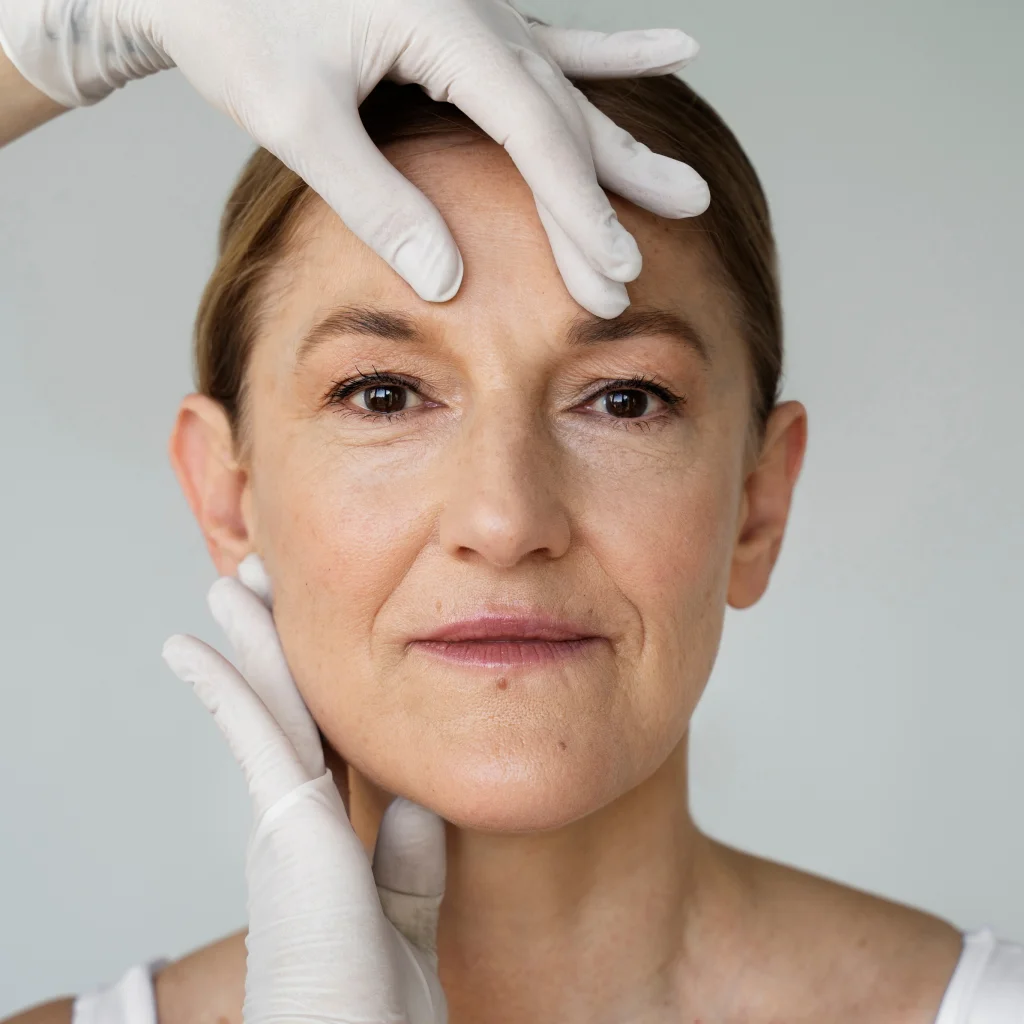
For someone years past treatment with stable, incomplete regrowth, a transplant can be entirely reasonable — and this group is often treated dismissively, told vaguely that it is not possible, which is not true either. What it requires is a proper assessment rather than an assumption in either direction.
Three things get established. Oncology clearance comes first: your oncologist’s view on whether elective surgery is appropriate given your history, your current health and your follow-up schedule. That is not a formality and no surgeon should proceed without it. Stability comes second — the pattern needs to have stopped changing, which is why a meaningful period of observation after recovery is expected rather than optional. And the diagnosis comes third: permanent chemotherapy-induced thinning and ordinary pattern baldness can coexist, particularly in men who were already losing hair before diagnosis, and the two need separating because they behave differently.
The donor assessment is also different in this group. Chemotherapy affected the whole scalp, including the area a surgeon would normally harvest from, so donor density has to be measured rather than assumed — the usual arithmetic set out in our guide to graft numbers still applies, but the starting assumptions do not.
What helps in the meantime
During treatment, scalp cooling is offered in some oncology units to reduce the severity of hair loss, and it is a conversation to have with the treating team before chemotherapy starts rather than after — it is not something a cosmetic clinic provides or advises on.
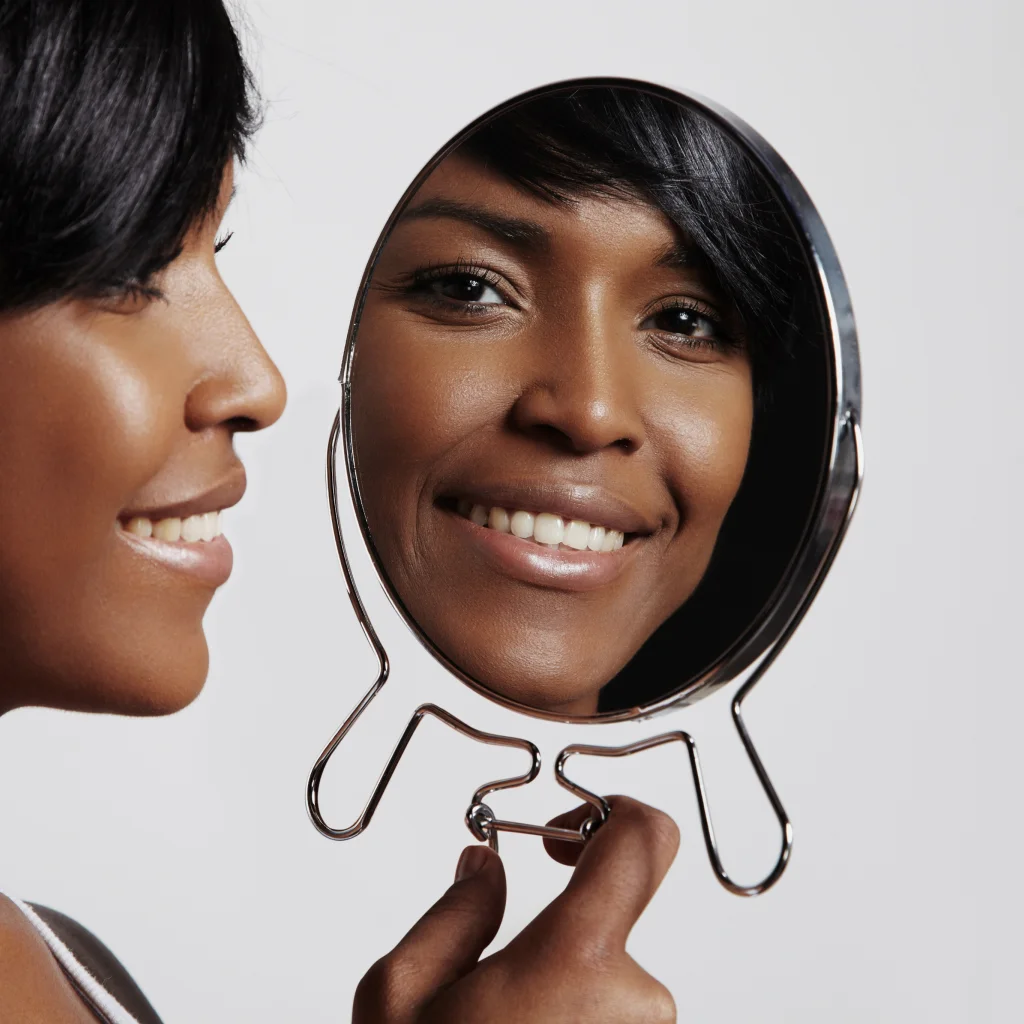
Afterwards, camouflage is legitimate and nobody should feel they have to justify it. Wigs and hairpieces have improved considerably. Scalp micropigmentation can help a stable, diffusely thin scalp, though it needs care in anyone whose skin has been affected by treatment and should not be rushed. Eyebrow microblading is often the single change that makes the biggest difference to how someone feels looking in the mirror, and it is far less invasive than anything surgical.
Eyebrows and eyelashes
These get far less attention than scalp hair and are often what patients miss most, because eyebrows frame the face and their absence reads as illness in a way a hat can hide on the scalp. They are usually affected later than the scalp and sometimes less completely, and they generally recover on the same principle — the follicle was interrupted, not destroyed.
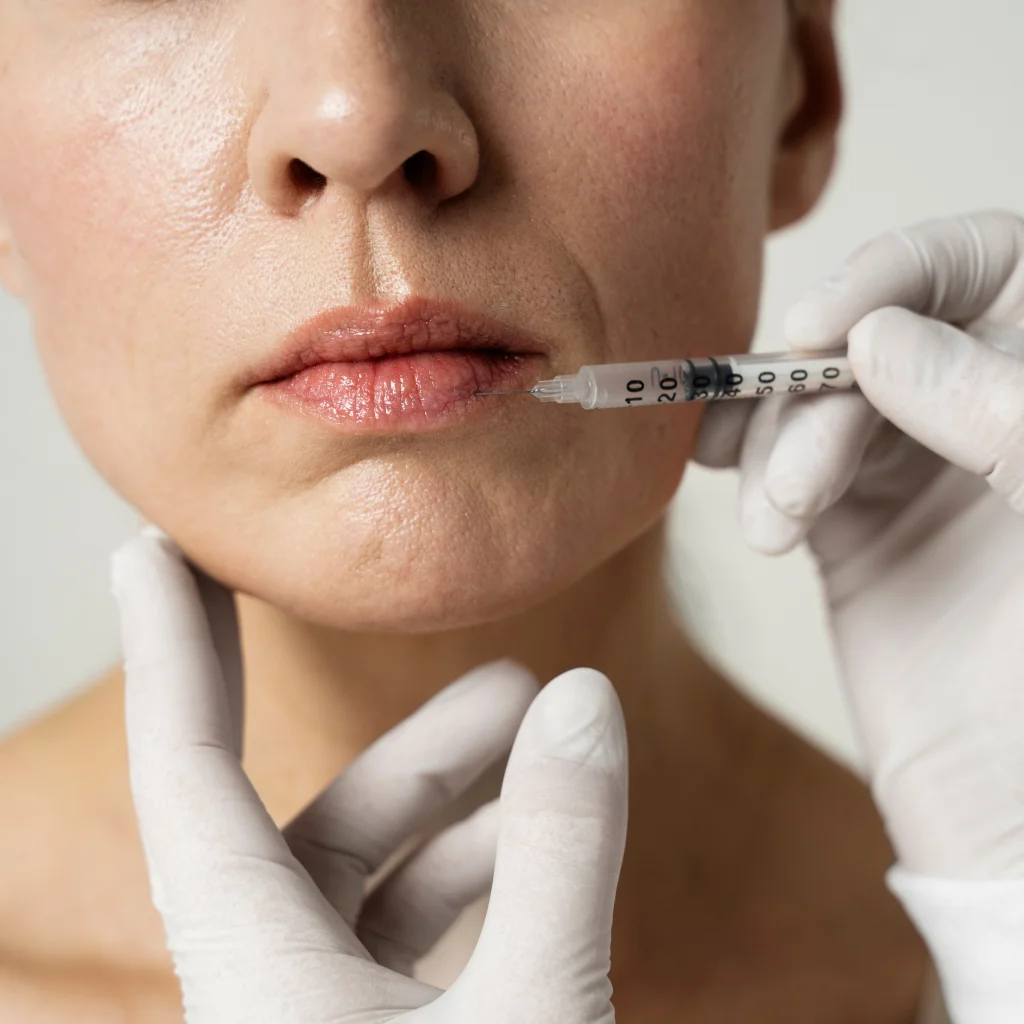
Recovery can lag behind the scalp by weeks or months, which is disheartening when the hair is coming back and the brows are not. Where brows genuinely do not return, eyebrow transplantation is an established procedure and, unlike scalp surgery in this group, it involves a small number of grafts and a short operation — so it is sometimes reasonable earlier than a scalp case would be. It still requires the same oncology clearance and the same confirmation that the pattern has stopped changing. In the meantime microblading is a low-risk, reversible option that many patients find makes the single biggest difference to how they feel.
Dr. Sherif Hegazy’s take: “When a patient who has been through chemotherapy asks me about a transplant, my first answer is almost always to wait — and I know that is not what they want to hear from someone who has just finished a very long year. But most of this hair comes back, and I am not going to spend a survivor’s donor supply on a scalp that was going to recover. For the few whose hair genuinely did not return, the door is open once their oncologist agrees and the picture has stopped changing.”
Frequently asked questions
Does hair always grow back after chemotherapy?
In the great majority of cases, yes. Regrowth usually begins within weeks to a few months of the final cycle, often with a temporary change in texture or colour. A minority of patients are left with permanent thinning.
Why does hair grow back curly after chemotherapy?
The follicle has been disrupted and takes time to resume its normal pattern, so the first regrowth is often curlier, softer or a different shade. For most people the texture drifts back toward the original over the following year or two.
Can I have a hair transplant after chemotherapy?
Potentially, if regrowth was genuinely incomplete, the pattern has been stable for a meaningful period, and your oncology team agrees elective surgery is appropriate. It is not suitable during treatment or in the months immediately afterwards.
How long should I wait before considering surgery?
Long enough for full natural recovery to have happened and for the result to have stopped changing. The specific timing is a decision for your oncologist alongside the surgeon, based on your treatment and your current health rather than a fixed rule.
Have it assessed, without pressure
If your hair did not fully return and you want to understand your options, an examination will tell you more than speculation — including, quite possibly, that you should wait longer. Book a consultation with Dr. Sherif Hegazy, or read more about the hair transplant service and what makes a result look natural in our guide to natural results.
This article is general information and not individual medical advice. Decisions about hair loss during or after cancer treatment should be made with your oncology team, whose assessment takes precedence over anything written here.