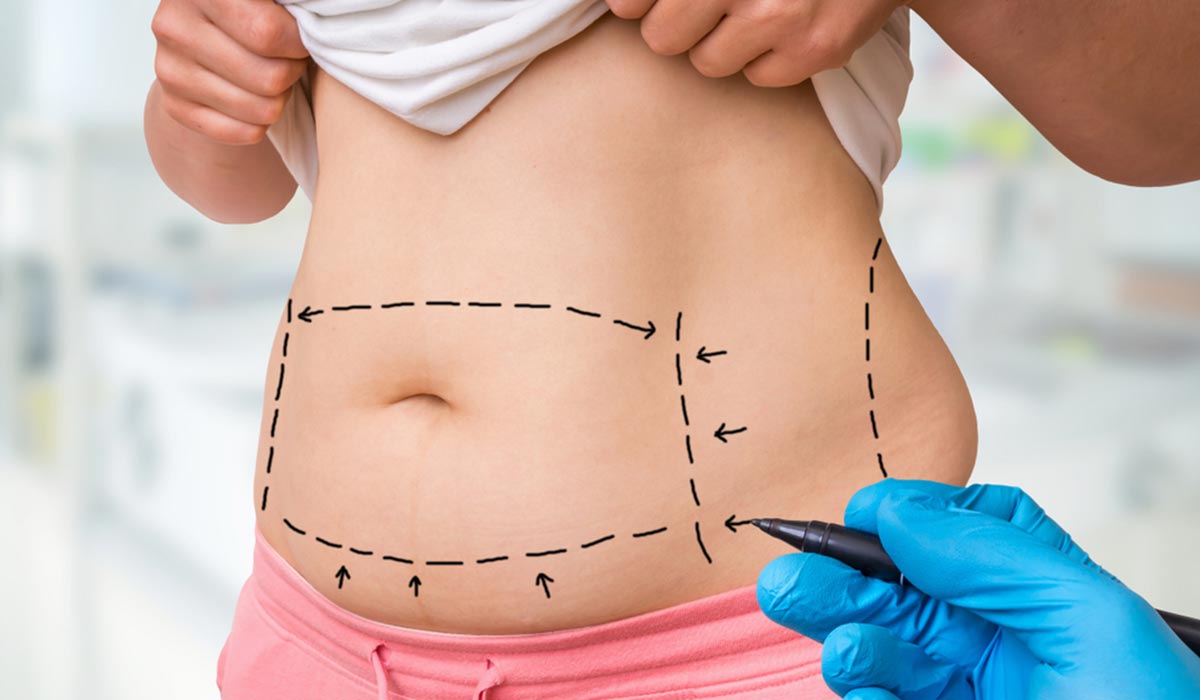
A tummy tuck (abdominoplasty) is among the most effective cosmetic surgeries for restoring a firm, flat abdomen—especially after multiple pregnancies or significant weight loss. Many patients undergo this procedure to enhance their confidence and improve quality of life. However, as with any major surgery, there remains a small risk—even when performed by an experienced surgeon—of unsatisfactory results or complications that patients may perceive as a “failure”. What are the signs of a failed tummy tuck? How to address them and prevent failure? Read the article.
When Is a Tummy Tuck Considered a Failure?
The term “surgical failure” is somewhat relative. In the context of cosmetic and medical outcomes, failure can be defined as:
- Aesthetic Failure: When the procedure does not achieve the desired or agreed-upon cosmetic result, or causes visible deformities.
- Functional or Medical Failure: When serious or persistent complications arise, affecting the patient’s health or physical function—even if the outward appearance seems acceptable.
It’s important to distinguish between these and normal post-operative effects, such as swelling, bruising, tightness, or numbness—most of which resolve within a few months.
Common Signs of A Failed Tummy Tuck
These indicators can be grouped into aesthetic and medical categories.
-
Aesthetic Issues
These are the most frequently reported concerns and can significantly impact patient satisfaction.
Unfavorable Scarring
- Appearance: Ideal scars are thin, flat, light-colored, and positioned low enough to be hidden by underwear. Poor scars may appear thick, raised (hypertrophic or keloid), dark, or asymmetrical.
- Placement: A high scar above the bikini line may indicate poor preoperative planning.
Unnatural Belly Button
A well-executed tummy tuck results in a small, vertically shaped, natural-looking belly button.
Signs of failure: overly large, round, flat, or distorted belly buttons; visible scarring or poor positioning can lead to an unnatural look.
Insufficient Skin Tightening
When not enough skin is removed, residual laxity may remain—especially in the lower abdomen or above the belly button. This sagging can become noticeable when sitting.
Upper Abdominal Bulging
Some patients may notice fullness in the upper abdomen post-op. This may result from inadequate muscle repair in that region or from internal (visceral) fat, which a tummy tuck cannot address.
“Dog Ears” Scar
This term refers to excess skin or fat protruding at the ends of the incision line. It often occurs due to poor incision design and may require minor revision surgery.
Body Contour Irregularities
The abdominal surface may appear uneven, with lumps or dimples. These may stem from uneven liposuction (if performed with the tuck) or abnormal internal scarring.
-
Medical Complications
These are less common but more serious, requiring prompt medical attention.
Persistent or Delayed Infection
Some redness and swelling are normal. However, ongoing discharge, increasing pain, fever, or redness may indicate infection. These require antibiotics and sometimes surgical drainage.
Skin or Fat Necrosis
This occurs when blood supply is compromised to a section of skin or fat, leading to tissue death. The affected skin may darken (purple or black) and feel cold. This serious complication often requires surgical removal of dead tissue. Smoking significantly increases the risk.
Chronic Fluid Accumulation
- Seroma: A buildup of clear lymphatic fluid under the skin.
- Hematoma: A collection of blood.
While small pockets may resolve naturally, large or persistent collections may require repeated aspiration or surgical drain placement.
Chronic Pain or Sensory Changes
Numbness is expected and can last for months. However, chronic burning pain or sharp discomfort lasting beyond a year may signal nerve entrapment within scar tissue and warrants medical evaluation.
How to Handle Tummy Tuck Failure?
If you’re concerned about your results, follow these steps:
- Be patient: Final results take 6 to 12 months to fully appear. Initial swelling, minor asymmetry, or tightness often improve significantly with time.
- Consult your surgeon: Always start by scheduling a follow-up with your original surgeon. Clearly and calmly express your concerns. They can determine whether your issue is a normal part of healing or if further intervention is needed.
- Get a second opinion: If you’re still unsure, seek consultation from another board-certified plastic surgeon—especially one experienced in revision abdominoplasty.
Explore correction options
- Non-surgical treatments: Minor issues like scarring may be improved with laser therapy, steroid injections, or silicone sheets.
- Revision tummy tuck: For more complex problems—such as poor scar placement, persistent laxity, or belly button distortion—a secondary surgery may be necessary. Most surgeons recommend waiting at least one year before undergoing a revision.
How to Prevent Tummy Tuck Failure
- Choose your surgeon wisely: Opt for a board-certified plastic surgeon with extensive experience. Review before-and-after photos of patients with similar concerns.
- Follow instructions carefully: Pre- and post-operative guidelines are crucial. Avoid smoking, wear compression garments, and refrain from intense activity.
- Maintain stable weight: Significant weight fluctuations post-surgery can stretch the skin and compromise results.
Final Thoughts
Avoiding tummy tuck failure starts with careful planning, choosing a qualified surgeon, following all instructions, and managing realistic expectations. If unsatisfactory results occur, the most important step is to maintain open communication with your doctor and patiently explore your corrective options.