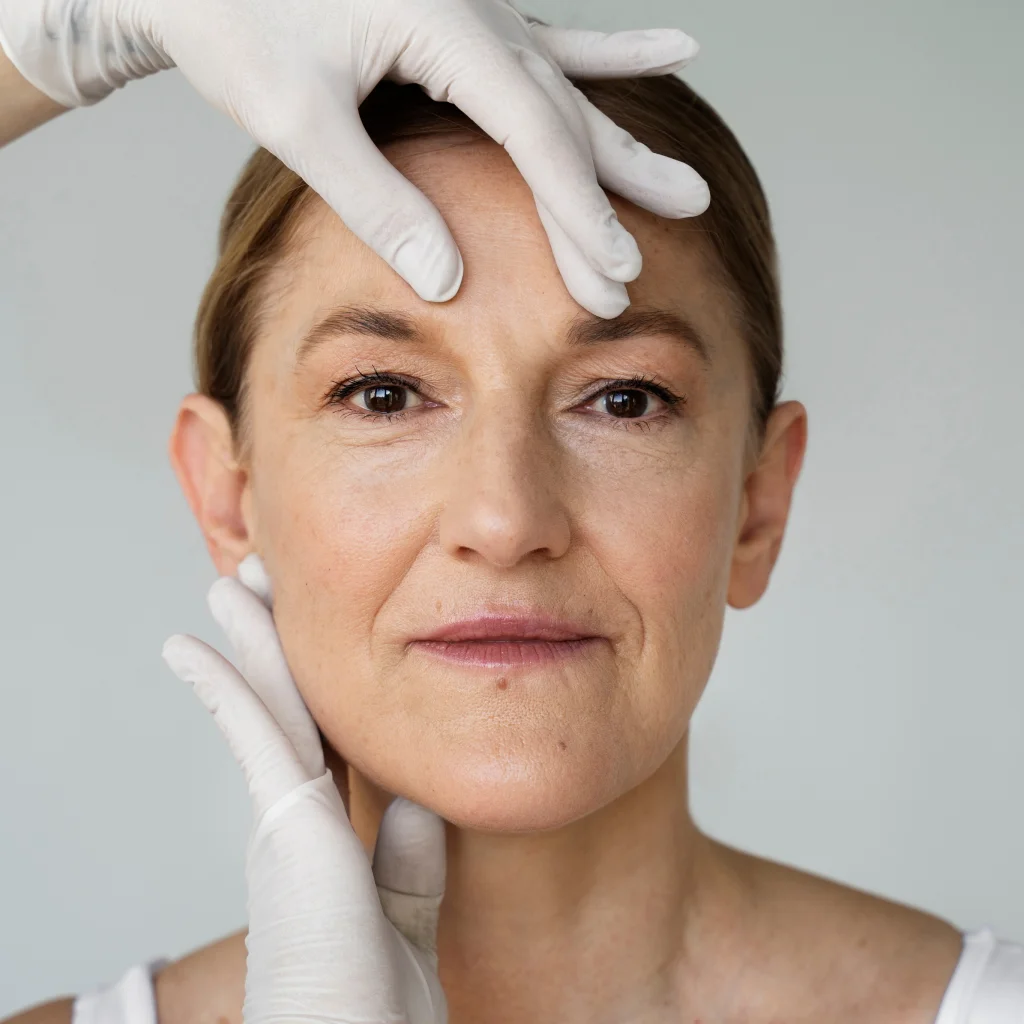
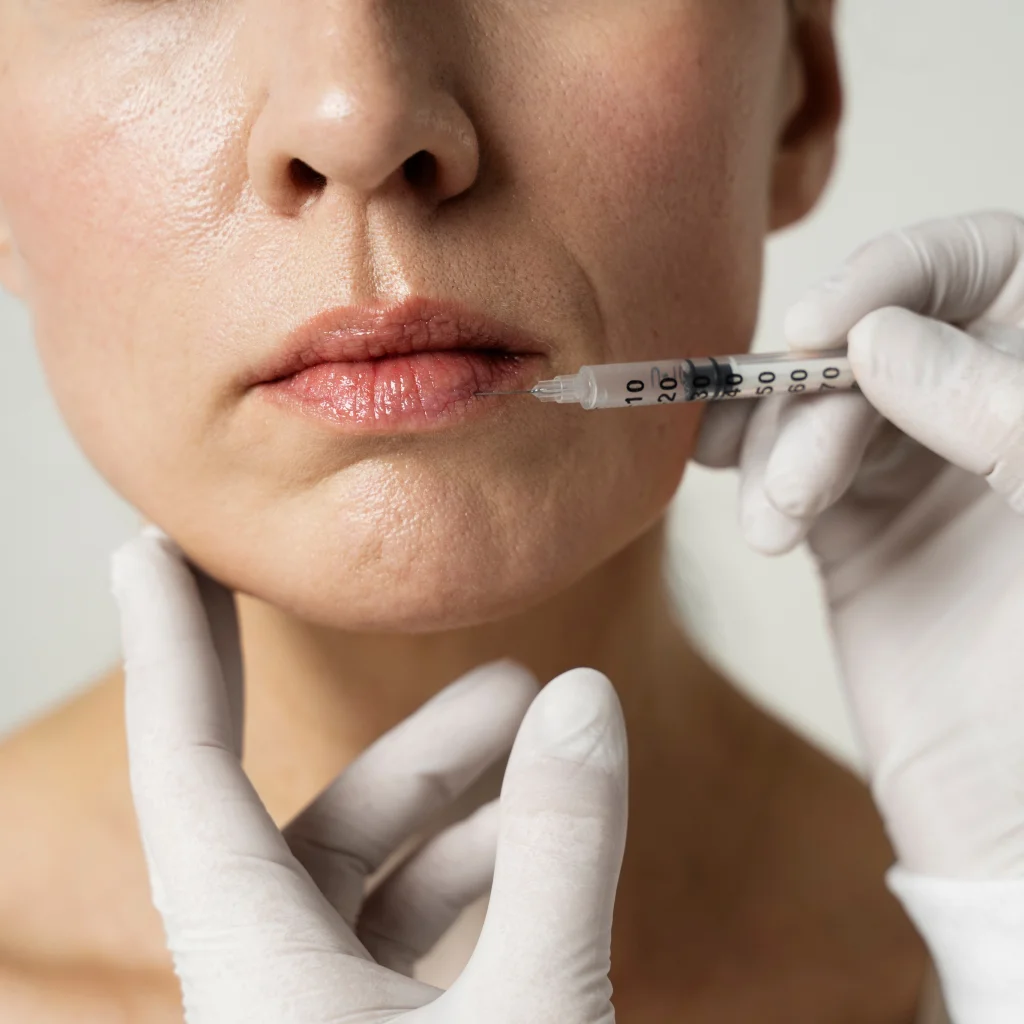
Thinning hair is a common issue that affects many individuals, impacting both appearance and self-confidence. Fortunately, there are numerous effective medical and at-home treatments to address this condition, ranging from medications to lifestyle adjustments. In this article, we provide a detailed overview of thinning hair treatment options, its causes, options, and care tips.
What is Thinning Hair?
Thinning hair refers to a reduction in hair density or thickness in specific areas of the scalp, giving the appearance of less volume. It may present as mild bald patches, fine and fragile hair, or an overall decrease in hair mass. Unlike complete baldness, thinning hair still retains some active follicles, making early intervention crucial and potentially effective.
Causes of Thinning Hair
Thinning hair can result from various factors, including:
- Genetics: Androgenetic alopecia is the most common cause, especially in women, typically affecting the crown and top of the scalp.
- Hormonal Imbalances: Conditions like PCOS, thyroid disorders, postpartum changes, or menopause.
- Nutritional Deficiencies: Lack of iron, zinc, protein, or vitamins B and D can weaken hair follicles.
- Physical or Emotional Stress: Chronic stress or events like surgery can lead to telogen effluvium (temporary hair shedding).
- Skin Conditions: Including seborrheic dermatitis, eczema, or alopecia areata.
- Medical Treatments: Chemotherapy, antidepressants, or anticoagulants may affect hair growth.
- Improper Hair Care: Harsh styling, excessive heat, or chemical treatments.
- Environmental Factors: Exposure to pollution, sunlight, or chlorinated water.
Why Early Treatment is Important?
Addressing thinning hair early increases the chances of restoring density and preventing further deterioration. Early intervention preserves active follicles and enhances treatment efficacy. Consulting a dermatologist is essential to identify the root cause and develop an appropriate treatment plan.
Medical Thinning Hair Treatment
-
Topical Treatments
- Minoxidil: An FDA-approved topical drug that stimulates hair growth and prolongs the anagen (growth) phase. Available in 2% or 5% concentrations, used daily. Results appear in 3–6 months, but stopping the treatment may reverse progress.
- Caffeine-Based Solutions: Found in shampoos and serums, they help stimulate blood circulation in the scalp.
-
Oral Medications
- Finasteride: FDA-approved for men, reduces DHT—a hormone linked to genetic hair loss. Taken daily but may cause side effects like reduced libido.
- Spironolactone: Prescribed for women with hormonal hair loss, especially PCOS-related. Requires medical supervision.
- Nutritional Supplements: Biotin, iron, zinc, and vitamin D are prescribed when deficiencies are diagnosed.
-
Cosmetic Treatments
- Platelet-Rich Plasma (PRP): Blood is drawn, processed to extract plasma, and injected into the scalp to stimulate follicle growth. Typically requires sessions every 4–6 weeks, with results in 3–6 months.
- Low-Level Laser Therapy (LLLT): Uses clinical or at-home laser devices to improve circulation and support follicles. Effective for early-stage thinning.
- Mesotherapy: Injecting a cocktail of vitamins, minerals, and amino acids into the scalp to nourish follicles. Performed in multiple sessions.
-
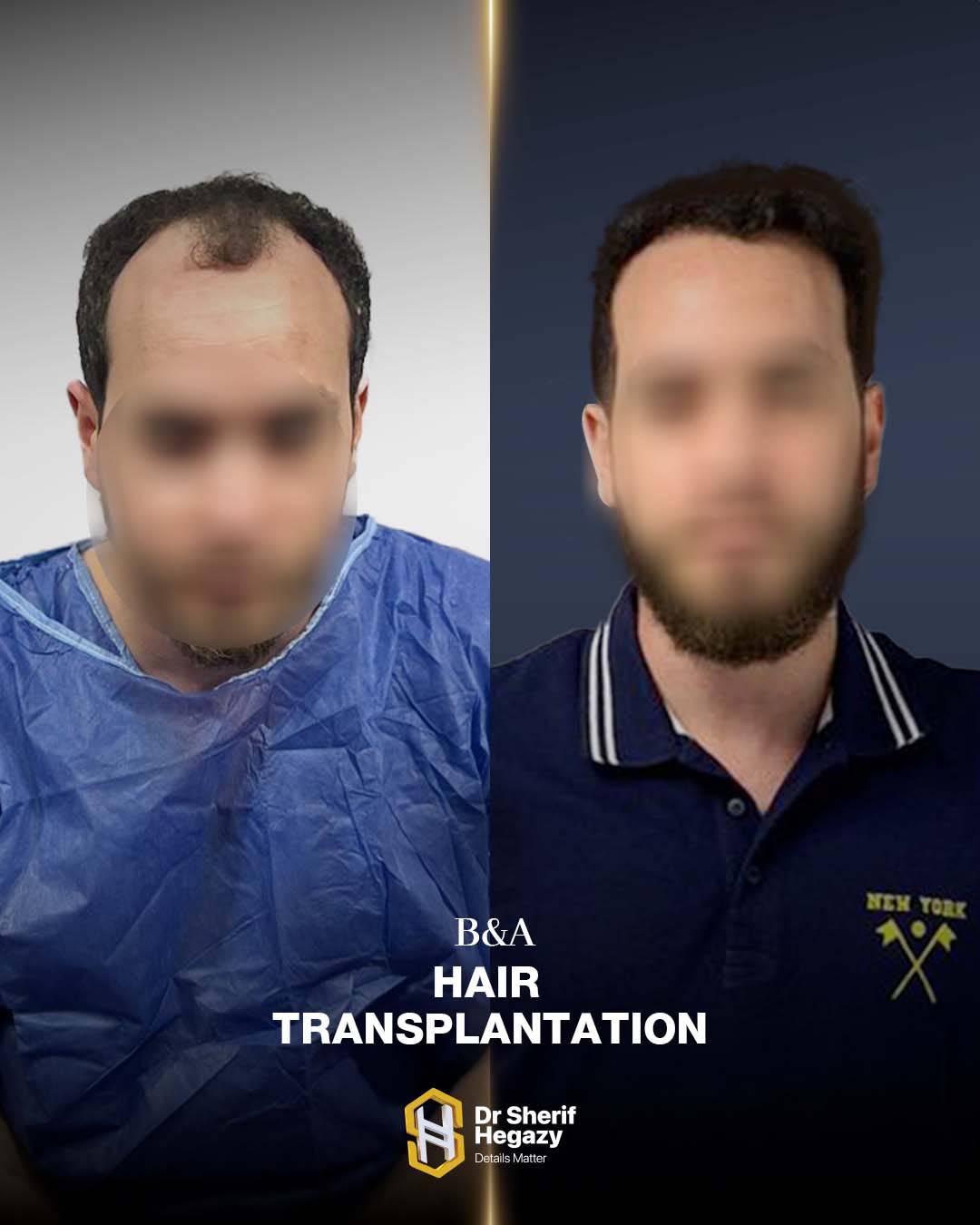
Hair Transplantation
For resistant cases, hair transplantation techniques like FUE or DHI may be used to increase density. Best for patients with a healthy donor area and requires skilled surgical expertise.
At-Home cARE for Thinning Hair
-
Nutritional Support
- Protein-Rich Foods: Lean meats, fish, eggs, legumes.
- Iron and Zinc: Found in spinach, liver, and nuts.
- B Vitamins and Vitamin D: Present in whole grains, fatty fish, dairy.
- Omega-3 Fatty Acids: In flaxseeds and walnuts to support scalp health.
-
Scalp Care
- Daily Massage: 5–10 minutes to stimulate blood flow.
- Gentle Shampoo: Sulfate- and paraben-free to avoid scalp irritation.
- Natural Oils: Castor, coconut, or rosemary oil used weekly for nourishment. Always patch-test first.
-
Reduce Harsh Styling
- Avoid tight hairstyles (e.g., ponytails, braids).
- Limit use of hot tools like straighteners or blow dryers.
- Use a wide-toothed wooden comb to prevent breakage.
Tips to Prevent Hair Thinning
- Routine Testing: Check levels of iron, vitamin D, and hormones regularly.
- Hair Protection: Wear hats in the sun or in polluted areas.
- Avoid Chemicals: Minimize use of dyes or harsh treatments.
- Moisturizing: Use hydrating conditioners to maintain hair moisture.
When to See a Doctor?
Consult a dermatologist if:
- You notice sudden or persistent hair shedding.
- You see clear patches or severe thinning.
- Symptoms like itching, redness, or scalp pain occur.
- No improvement is seen after 3–6 months of home care.
Can thinning hair be permanently treated?
It depends on the cause. Treatments like minoxidil and PRP can improve density, while transplants offer a permanent solution for advanced cases.