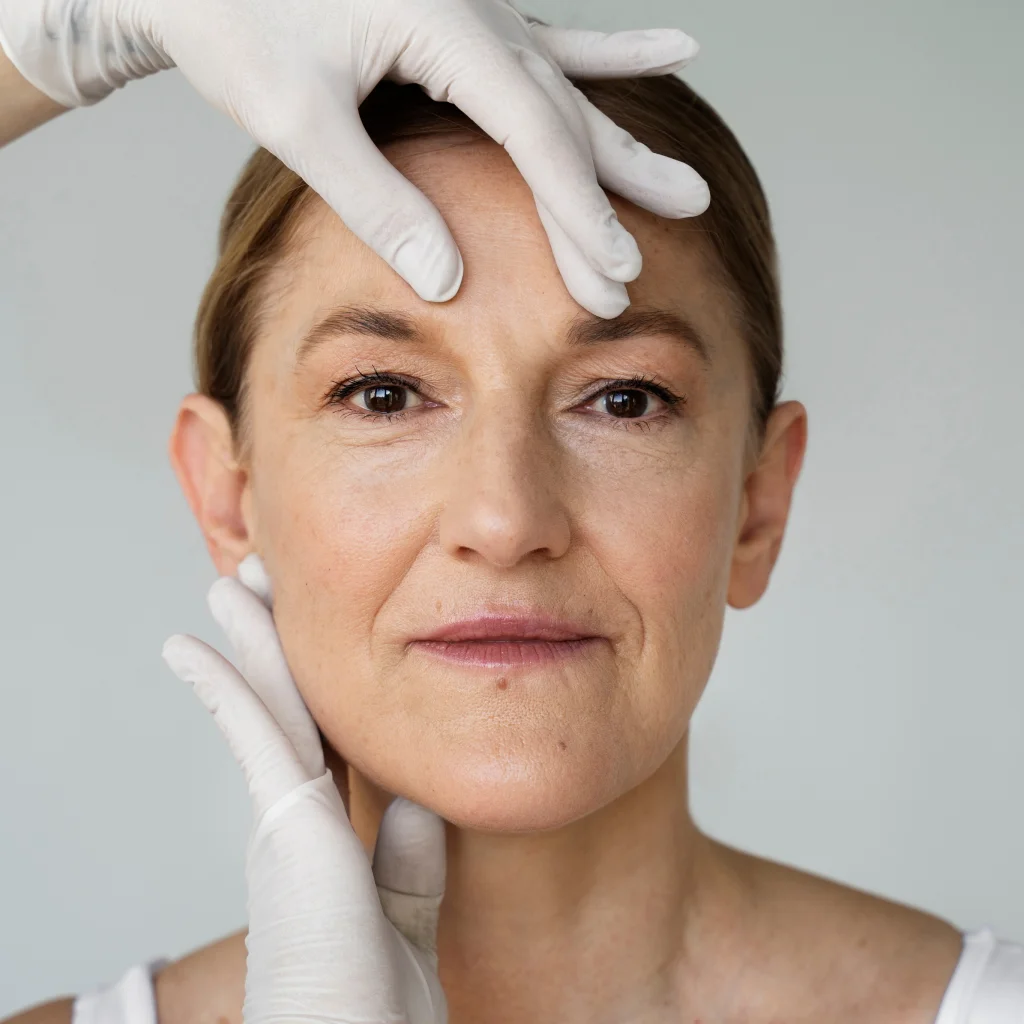
Hair is a woman’s crown — so thinning, a receding hairline or female baldness can be deeply frustrating. A transplant is the most effective lasting solution. Here’s exactly how a women’s hair transplant is done, plus candidacy, cost and aftercare.
What it is
A cosmetic procedure that moves hair from a donor area (rich in follicles) to the thinning or bald recipient area. Female loss stems from genetics, hormonal imbalance, pregnancy, childbirth or rapid weight loss.
Who is a candidate?
- Loss from an injury or from certain treatments.
- Heavy shedding or thin hair.
- Enough follicles in the donor area.
- A receding frontal hairline.
- Baldness or clear gaps.
How it’s done
FUT (strip)
Under anaesthesia, a strip is removed from the back of the scalp and the donor area is stitched. The strip is divided, follicles separated and stored, then implanted into fine channels opened in the recipient area, which is finally dressed.
FUE (extraction)
Under local anaesthetic, follicles are harvested individually, stored safely, and implanted into small channels in the scalp — with no strip and less scarring.
Cost
Price depends on technique, device, the size of the area and the graft count, plus the surgeon’s experience and the clinic’s standard. Generally it ranges from USD 1,500 to 3,000.
Aftercare
- Take prescribed medication and avoid anything unprescribed.
- Sleep on your back with pillows raising the upper body.
- Don’t use a brush or comb on the transplanted area.
- Stop smoking before and after, per your doctor’s timeframe.
- Avoid sun exposure in the first week.
- Avoid vigorous daily activity during recovery.
Results
Transplanted hair sheds in the first two to three weeks, new hair grows naturally over three to four months, and the final result appears within 6 to 12 months.
Women’s hair-transplant results — with Dr. Sherif Hegazy
Have a question about your case? Contact the clinic any time.